Sphinx Pose (Salamba Bhujangasana): Benefits, Steps, and Tips
Sphinx Pose, also known as Salamba Bhujangasana in Sanskrit, is a gentle backbend that is accessible to practitioners of all levels. This restorative yoga pose is known for its numerous physical and mental benefits, making it a popular choice for those looking to improve flexibility, reduce stress, and enhance overall
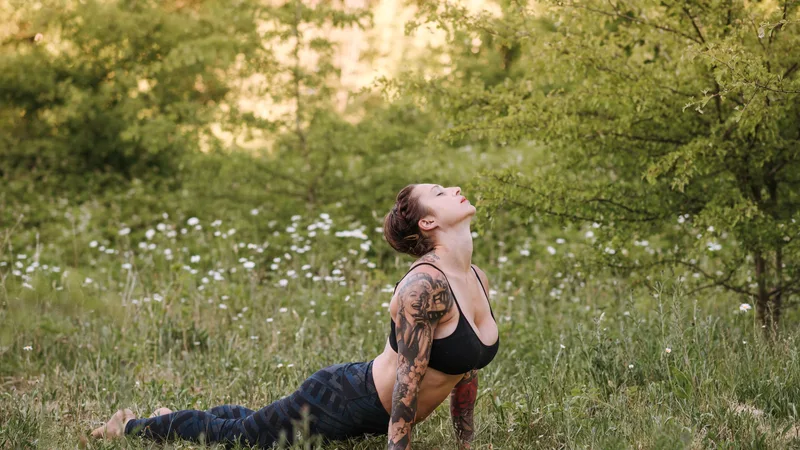
Sphinx Pose, also known as Salamba Bhujangasana in Sanskrit, is a gentle backbend that is accessible to practitioners of all levels. This restorative yoga pose is known for its numerous physical and mental benefits, making it a popular choice for those looking to improve flexibility, reduce stress, and enhance overall well-being. In this article, we will explore the benefits of Sphinx Pose, provide step-by-step instructions for practicing it correctly, and share some helpful tips to maximize your experience.
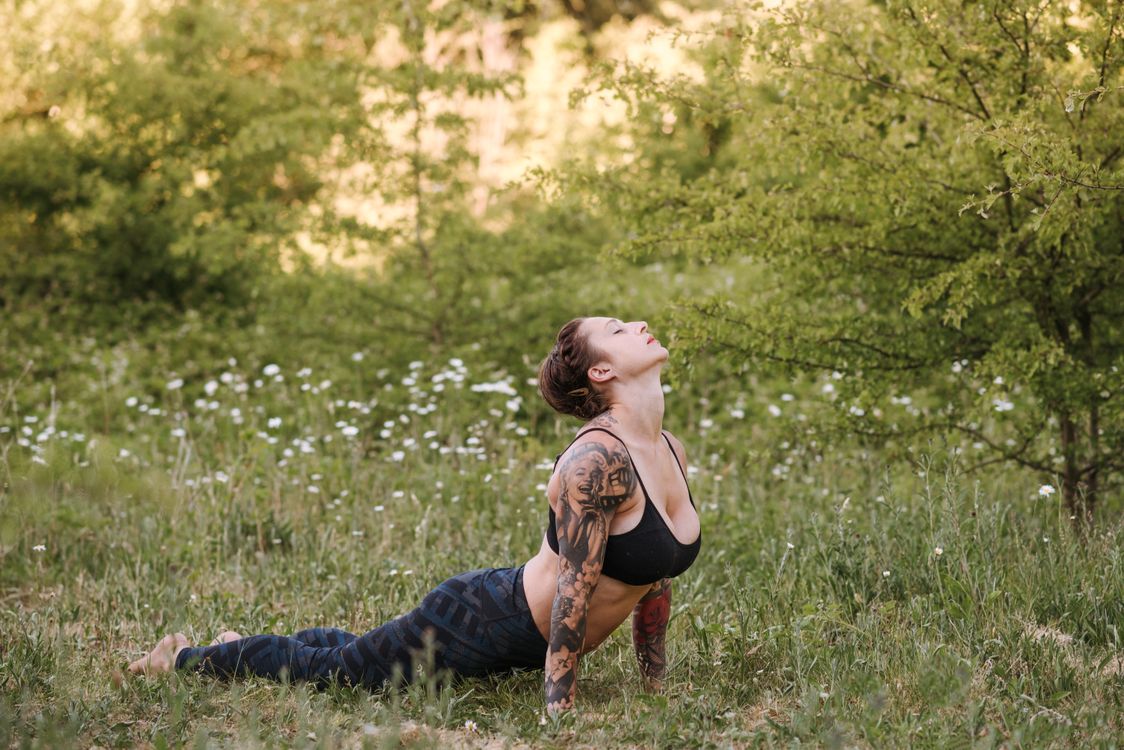
Benefits of Sphinx Pose (Salamba Bhujangasana)
1. Improves Spinal Health
Sphinx Pose is excellent for spinal health as it gently stretches and strengthens the spine. This pose helps to increase flexibility in the spine, alleviating stiffness and reducing the risk of back injuries.
2. Relieves Stress and Anxiety
Practicing Sphinx Pose can help calm the mind and reduce stress. The gentle backbend opens the chest and encourages deep breathing, which activates the parasympathetic nervous system, promoting relaxation and reducing anxiety.
3. Enhances Digestive Function
By gently stimulating the abdominal organs, Sphinx Pose can aid in improving digestion. The pose encourages blood flow to the digestive organs, which can help alleviate digestive issues such as constipation and bloating.
4. Strengthens the Core
While it is a restorative pose, Sphinx Pose also engages the core muscles. This engagement helps to build strength and stability in the abdominal region, supporting better posture and overall balance.
5. Boosts Energy Levels
The gentle backbend in Sphinx Pose can help to invigorate the body and mind. Practicing this pose can increase energy levels and combat feelings of fatigue, making it an excellent addition to your morning routine.
How to Perform Sphinx Pose
Step-by-Step Instructions
- Start by Lying on Your Belly: Begin by lying face down on your yoga mat with your legs extended behind you and your feet hip-width apart. Allow your toes to point straight back.
- Position Your Forearms: Place your forearms on the mat in front of you, parallel to each other. Your elbows should be directly under your shoulders, and your palms should be flat on the mat.
- Lift Your Chest: As you inhale, slowly lift your chest off the mat, keeping your forearms and elbows grounded. Gently press into your palms and forearms to lift your upper body.
- Engage Your Core: Engage your core muscles to support your lower back. Avoid collapsing into your lower back by maintaining a slight engagement in your abdomen.
- Relax Your Shoulders: Draw your shoulders away from your ears, allowing them to relax. Keep your neck long and gaze forward or slightly upward, depending on what feels comfortable.
- Breathe Deeply: Take slow, deep breaths, allowing your chest and abdomen to expand with each inhale. Hold the pose for 5-10 breaths or as long as it feels comfortable.
- Release the Pose: To release, exhale and slowly lower your chest back down to the mat. Rest your forehead on your hands and take a few moments to relax before transitioning to another pose.
Tips for Practicing Sphinx Pose
- Listen to Your Body: Avoid pushing yourself too hard in Sphinx Pose. If you experience any pain or discomfort in your lower back, reduce the intensity of the backbend or come out of the pose.
- Use Props if Needed: If you find it challenging to keep your elbows under your shoulders, you can place a folded blanket or a bolster under your forearms for added support.
- Warm Up: Before practicing Sphinx Pose, consider warming up with a few rounds of Cat-Cow stretches to prepare your spine and muscles for the backbend.
- Focus on Your Breath: Maintain a steady and mindful breath throughout the pose. Deep breathing can enhance the relaxing and rejuvenating effects of Sphinx Pose.
- Combine with Other Poses: Sphinx Pose can be combined with other gentle backbends and restorative poses to create a balanced and soothing yoga practice.
Conclusion
Sphinx Pose (Salamba Bhujangasana) is a versatile and beneficial yoga pose that can enhance your physical and mental well-being. By incorporating this gentle backbend into your routine, you can improve spinal health, reduce stress, boost energy levels, and strengthen your core. Remember to practice mindfully and listen to your body to reap the full benefits of this wonderful pose.
More from Finance & Insurance

The highly anticipated Hyundai Motor India Ltd. (HMIL) Initial Public Offering (IPO) is set to open for subscription on October 15, 2024. This IPO, projected to be India's largest-ever, is estimated to raise ₹27,870 crore (around $3 billion), surpassing the record set by LIC's IPO.Market Sentiment and CrazeInvestors ar

In today’s globalized world, sending money internationally has become easier than ever, especially with the rise of fintech apps. If you're living in Germany and need to send money to family, friends, or business associates in India, you're in luck—there are plenty of great options available. In this article, we'll rev

In today's competitive market, small businesses often face the challenge of marketing effectively without overspending. The good news? You don’t need a big budget to create a big impact. By leveraging smart strategies, you can promote your business and reach your target audience without breaking the bank. This article
Stay in the loop
Get the latest articles delivered to your inbox. No spam, unsubscribe anytime.
How to Shop for Vintage Clothing in India: A Comprehensive Guide
Vintage clothing is not just a trend; it's a lifestyle choice that offers unique, timeless pieces that stand out in a sea of fast fashion. India, with its rich history and diverse culture, is a treasure trove for vintage enthusiasts. In this guide, we’ll explore how to shop for vintage clothing in India, including tips
Continue Reading