How to Practice Sustainable Living: A Guide for Eco-Friendly Lifestyles
Living sustainably has become more than just a trend; it's a necessity for the health of our planet. As awareness of environmental issues grows, more people are seeking ways to reduce their ecological footprint. This comprehensive guide will provide practical tips for practicing sustainable living and adopting an eco-f

Living sustainably has become more than just a trend; it's a necessity for the health of our planet. As awareness of environmental issues grows, more people are seeking ways to reduce their ecological footprint. This comprehensive guide will provide practical tips for practicing sustainable living and adopting an eco-friendly lifestyle.

Understanding Sustainable Living
Sustainable living means making choices that reduce our impact on the environment. It involves using resources wisely, minimizing waste, and making decisions that contribute to the well-being of the planet. By embracing sustainable practices, we can ensure that future generations inherit a healthier, more sustainable world.
Tips for Practicing Sustainable Living
1. Reduce, Reuse, Recycle
One of the fundamental principles of sustainability is to reduce, reuse, and recycle. Here’s how you can implement these practices in your daily life:
- Reduce: Cut down on the amount of waste you produce. Opt for products with minimal packaging and avoid single-use items.
- Reuse: Before throwing things away, consider if they can be repurposed. For example, glass jars can be used for storage, and old clothes can be transformed into cleaning rags.
- Recycle: Sort your waste to ensure recyclable materials such as paper, plastic, and glass are properly recycled. Familiarize yourself with your local recycling guidelines to maximize your recycling efforts.
2. Conserve Water and Energy
Reducing water and energy consumption is crucial for sustainable living. Here are some tips to help you conserve these vital resources:
- Water Conservation: Fix leaky faucets, take shorter showers, and install water-saving fixtures. Consider using a rain barrel to collect rainwater for gardening.
- Energy Conservation: Switch to energy-efficient appliances, use LED light bulbs, and unplug electronics when not in use. Additionally, consider investing in renewable energy sources like solar panels.
3. Choose Sustainable Transportation
Transportation is a significant contributor to carbon emissions. Opt for sustainable transportation methods to reduce your carbon footprint:
- Public Transport: Use buses, trains, or subways to decrease the number of vehicles on the road.
- Carpooling: Share rides with friends or colleagues to reduce fuel consumption and emissions.
- Biking and Walking: For short distances, consider biking or walking instead of driving. Not only does this reduce emissions, but it also promotes physical health.
4. Adopt a Plant-Based Diet
The food we eat has a profound impact on the environment. Animal agriculture is a major source of greenhouse gases, water usage, and deforestation. Adopting a plant-based diet can significantly reduce your environmental footprint:
- Plant-Based Meals: Incorporate more fruits, vegetables, legumes, and whole grains into your diet. Try to reduce your consumption of meat and dairy products.
- Local and Organic: Whenever possible, buy local and organic produce. This supports sustainable farming practices and reduces the carbon footprint associated with food transportation.
5. Support Eco-Friendly Products and Companies
Make conscious decisions about the products you purchase. Look for items that are sustainably sourced, ethically produced, and have minimal environmental impact:
- Eco-Friendly Brands: Support companies that prioritize sustainability and ethical practices. Look for certifications such as Fair Trade, USDA Organic, and B Corp.
- Secondhand Shopping: Buy secondhand clothing, furniture, and other items to reduce waste and support the circular economy.
6. Reduce Plastic Usage
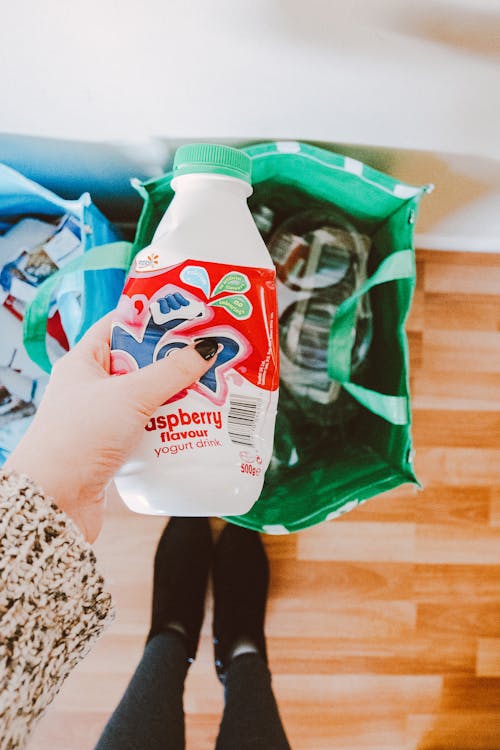
Plastic pollution is a major environmental issue. To reduce your plastic usage:
- Reusable Bags: Use cloth bags instead of plastic ones when shopping.
- Avoid Single-Use Plastics: Say no to straws, plastic cutlery, and disposable cups. Invest in reusable alternatives.
- Sustainable Packaging: Choose products with sustainable packaging or those that use minimal plastic.
7. Get Involved in Your Community
Participate in local environmental initiatives and advocate for sustainable practices in your community:
- Community Gardens: Join or start a community garden to promote local food production and reduce food miles.
- Clean-Up Events: Participate in or organize community clean-up events to help reduce local pollution.
- Advocacy: Support policies and legislation that promote environmental sustainability.
Conclusion
Sustainable living is about making mindful choices that benefit the environment and future generations. By incorporating these tips into your daily life, you can contribute to a more sustainable world. Remember, every small action counts, and collectively, we can make a significant impact.
For more information and resources on sustainable living, consider visiting websites like EPA's Sustainable Living or Sustainable Living Association.
References:
- Environmental Protection Agency. "Sustainability." EPA. https://www.epa.gov/environmental-topics/sustainability
- Sustainable Living Association. "Sustainable Living."
More from Tech
The hub guide for home EV charging in Germany: the total cost picture (€1,200–3,500 upfront, ~€5.50–7.40/100km running), a six-decision framework (own vs rent, wallbox, electrician, process, running cost, optional solar), and routes to every detailed spoke.
A sourced 2026 comparison of Germany's major public EV-charging networks — EnBW, Ionity, Aral pulse, Tesla Supercharger, Allego, EWE Go, Shell Recharge — covering ad-hoc vs app/subscription pricing, AC/DC surcharges, blocking fees, and how public charging stacks up against charging at home.
Charging your EV from rooftop solar in Germany: why self-consumed solar is worth ~29 ct/kWh more than exporting it, how PV surplus charging works, which wallboxes (go-e, Zappi, KEBA, Fronius, openWB) support it, and a conservative worked example of the ~€200–€350/yr saving.
Stay in the loop
Get the latest articles delivered to your inbox. No spam, unsubscribe anytime.
How to Bake the Perfect and Soft Eggless Cake
Baking an eggless cake that is soft, moist, and delicious can seem like a daunting task, but with the right ingredients and techniques, you can achieve perfection. Whether you're vegan, allergic to eggs, or simply out of them, this guide will show you how to create a flawless eggless cake every time. Read on for tips,
Continue Reading