Exploring the Psychology of Beauty: Cultural Perspectives on Attractiveness
Beauty is a concept that transcends time and culture, yet its definition varies widely depending on one's cultural background and societal norms. From the symmetry of facial features to the standards of body shape, perceptions of attractiveness are deeply influenced by cultural factors and psychological processes. In t

Beauty is a concept that transcends time and culture, yet its definition varies widely depending on one's cultural background and societal norms. From the symmetry of facial features to the standards of body shape, perceptions of attractiveness are deeply influenced by cultural factors and psychological processes. In this article, we delve into the psychology of beauty, examining how cultural perspectives shape our understanding of attractiveness.

Understanding Beauty Across Cultures
Beauty standards are not static; they evolve over time and vary significantly from one culture to another. What is considered beautiful in one society may be perceived quite differently in another. For example, while Western cultures often idealize thinness and youthfulness, some traditional African cultures value fuller figures as a sign of health and fertility.
The Role of Psychological Processes

Psychological research has shed light on the cognitive processes underlying perceptions of beauty. Studies have shown that certain features, such as facial symmetry and averageness, are universally associated with attractiveness. These traits are thought to signal good health and genetic fitness, making them inherently appealing to individuals across cultures.
Cultural Influences on Beauty Standards
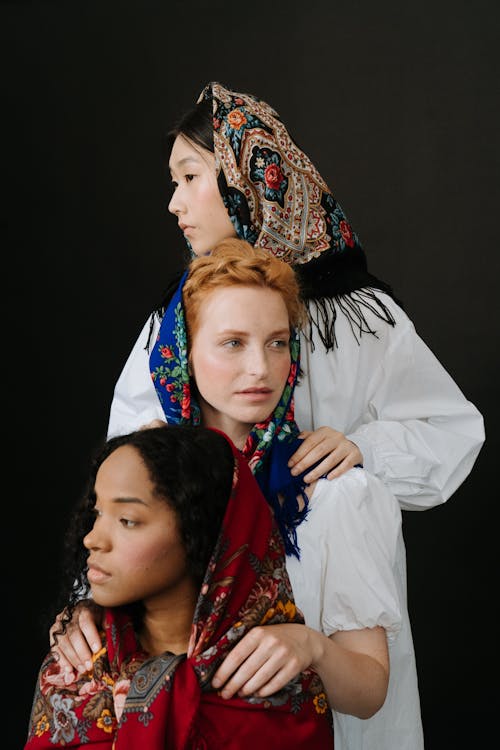
Despite the universality of some beauty ideals, cultural factors play a significant role in shaping beauty standards. For example, in Japan, the concept of "kawaii" or cuteness is highly prized, leading to preferences for youthful and childlike features. In contrast, in parts of Southeast Asia, pale skin is considered desirable, reflecting cultural associations with wealth and status.
Beauty and Social Identity
Perceptions of beauty are not only influenced by cultural norms but also by social identity and group affiliation. Research suggests that individuals tend to perceive members of their own cultural group as more attractive than those from other cultures—a phenomenon known as in-group bias. This bias can reinforce cultural beauty standards and contribute to feelings of belonging and identity within a community.
Challenging Beauty Ideals

While cultural beauty standards can be deeply ingrained, there is growing recognition of the need to challenge narrow definitions of attractiveness. Movements promoting body positivity and diversity are gaining momentum, encouraging individuals to embrace their unique features and reject unrealistic beauty standards. By celebrating cultural diversity and challenging stereotypes, we can foster a more inclusive and accepting society.
The psychology of beauty is a rich and complex field that encompasses a wide range of cultural, social, and psychological factors. While certain features may be universally perceived as attractive, cultural norms and societal pressures play a significant role in shaping our perceptions of beauty. By exploring cultural perspectives on attractiveness and challenging narrow beauty ideals, we can foster a more inclusive and accepting society where diverse forms of beauty are celebrated and valued.
More from Beauty

Raksha Bandhan, also known as Rakhi, is a cherished Indian festival that celebrates the unique bond between brothers and sisters. It's a day when siblings come together to express their love, care, and protection for one another. As this special occasion approaches, it's important to find the perfect words to convey yo
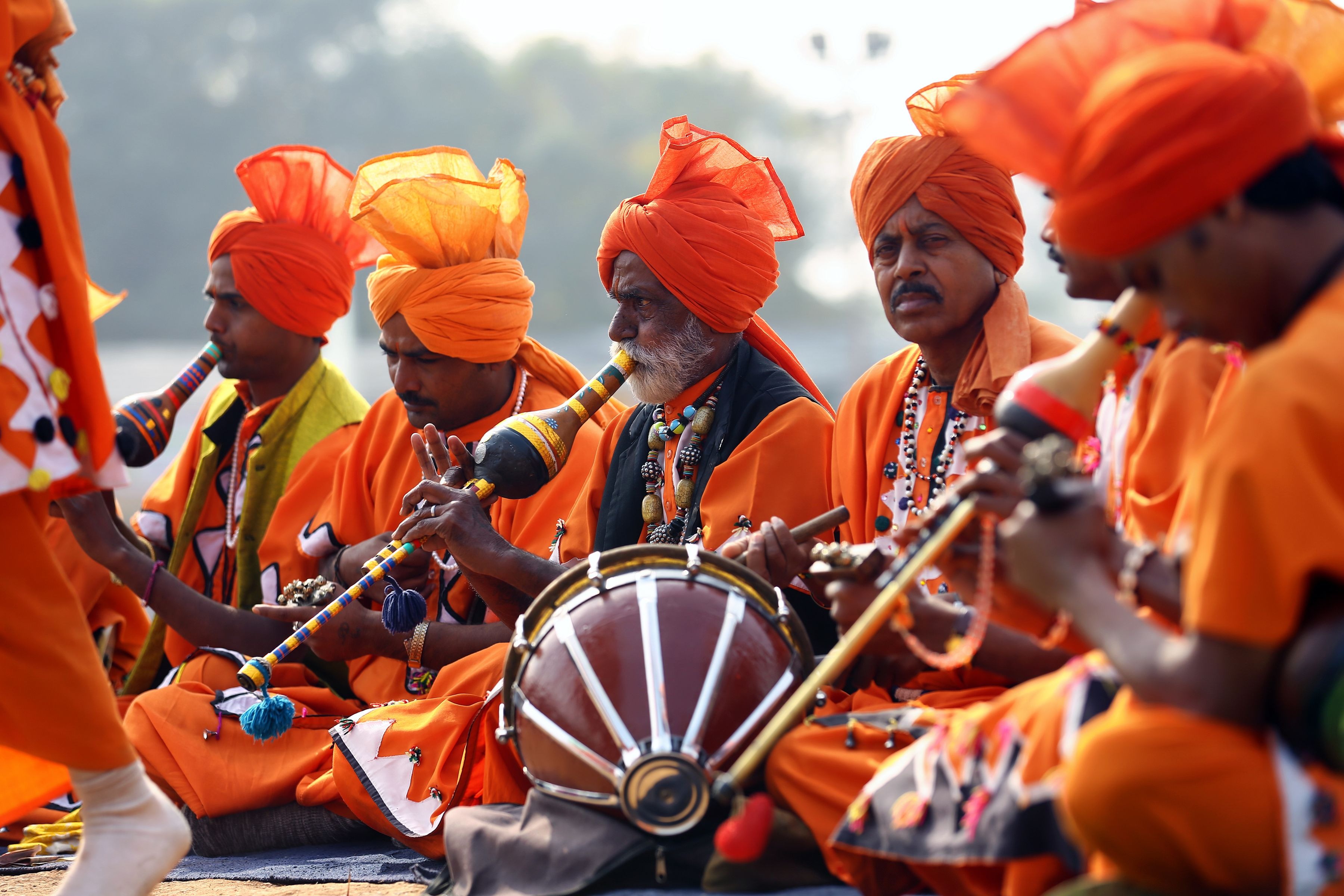
Festivals play a pivotal role in preserving cultural heritage across the globe. They serve as vibrant reminders of traditions, customs, and shared histories, ensuring that cultural identities remain alive and thriving. In a rapidly globalizing world, these celebrations are more important than ever, offering a sense of

Hindu astrology, also known as Vedic astrology or Jyotish, is an ancient practice deeply rooted in the spiritual traditions of India. It has been used for millennia to guide individuals in understanding their life paths, predicting future events, and making informed decisions. In this article, we'll explore the fundame
Stay in the loop
Get the latest articles delivered to your inbox. No spam, unsubscribe anytime.
Media Censorship and Freedom of Expression: A Global Overview
In today's digital age, media censorship and freedom of expression are hotly debated topics that resonate on a global scale. From government crackdowns on dissenting voices to corporate control of information, the landscape of free speech is complex and multifaceted. In this article, we explore the dynamics of media ce
Continue Reading