The Role of Festivals in Preserving Cultural Heritage
Festivals play a pivotal role in preserving cultural heritage across the globe. They serve as vibrant reminders of traditions, customs, and shared histories, ensuring that cultural identities remain alive and thriving. In a rapidly globalizing world, these celebrations are more important than ever, offering a sense of
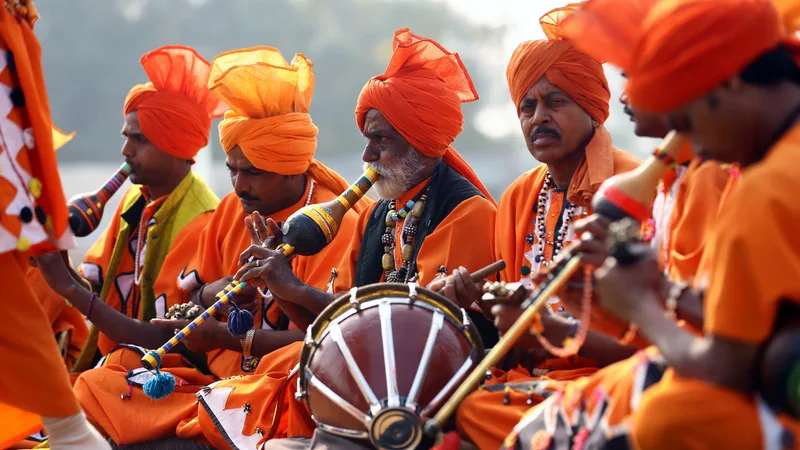
Festivals play a pivotal role in preserving cultural heritage across the globe. They serve as vibrant reminders of traditions, customs, and shared histories, ensuring that cultural identities remain alive and thriving. In a rapidly globalizing world, these celebrations are more important than ever, offering a sense of continuity and community.

The Significance of Festivals
Festivals are more than just events; they are living embodiments of cultural heritage. They encapsulate the essence of a community's history, beliefs, and values. By participating in these celebrations, individuals reconnect with their roots, gaining a deeper understanding of their cultural identity.
Historical Preservation
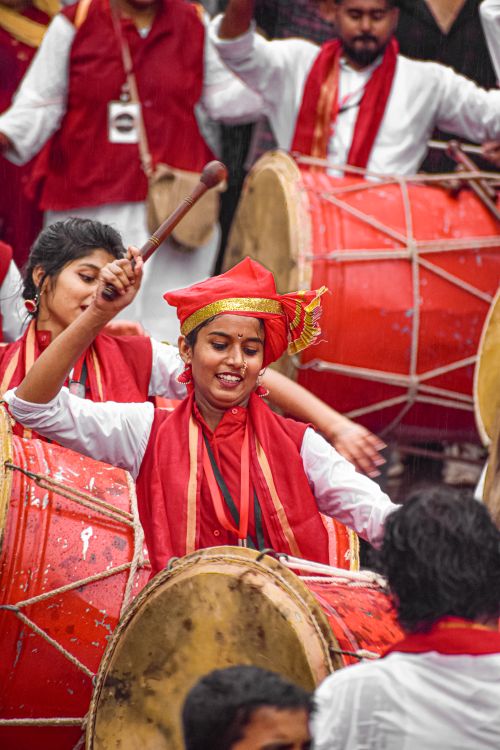
One of the primary roles of festivals is to preserve historical narratives. Many festivals are rooted in significant historical events, mythologies, or religious beliefs. For instance, Diwali, celebrated in India, commemorates the return of Lord Rama to Ayodhya, symbolizing the triumph of good over evil. Similarly, Thanksgiving in the United States is a harvest festival that traces back to the Pilgrims' early days, reflecting gratitude and unity.
Cultural Transmission
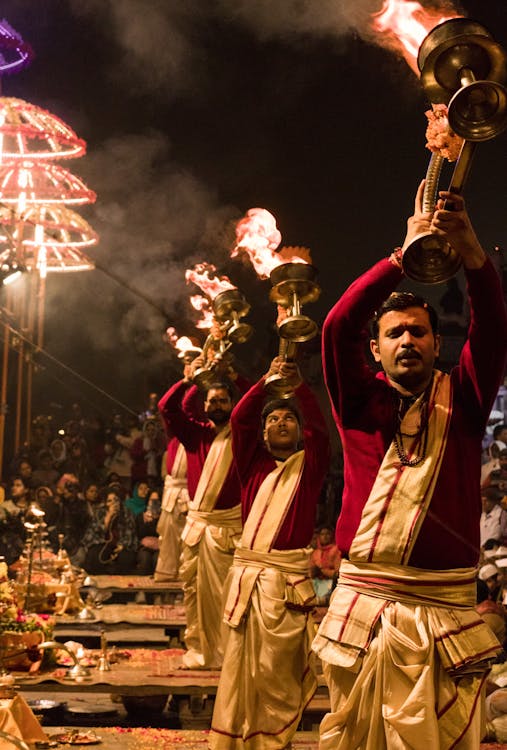
Festivals are crucial for intergenerational transmission of culture. They provide a platform for elders to share stories, customs, and practices with younger generations. This transmission ensures that cultural knowledge is not lost but rather evolves with time. For example, during Chinese New Year, families come together to celebrate with traditional foods, lion dances, and fireworks, instilling a sense of pride and continuity in younger members.
Social Cohesion
In addition to preserving culture, festivals foster social cohesion. They bring people together, fostering a sense of belonging and community spirit. In multicultural societies, festivals can also promote understanding and respect among different cultural groups. Events like Carnival in Brazil or the multicultural celebrations in cities like Toronto and London showcase the beauty of cultural diversity, creating an inclusive environment.
Economic Impact
Beyond their cultural significance, festivals also have substantial economic benefits. They attract tourists, boosting local economies and creating jobs. Festivals like the Rio Carnival, Oktoberfest in Munich, and Mardi Gras in New Orleans draw millions of visitors each year, contributing significantly to local revenue. This economic aspect ensures that communities have the resources to continue these traditions.
Promoting Local Crafts and Cuisine
Festivals often highlight traditional crafts, music, dance, and cuisine, providing artisans and performers with a platform to showcase their talents. This not only helps preserve these arts but also promotes them to a wider audience. For instance, the Japanese Cherry Blossom Festivals celebrate not just the beauty of the cherry blossoms but also traditional Japanese art forms such as tea ceremonies, calligraphy, and kabuki theater.
Challenges and Adaptations

While festivals play a crucial role in preserving cultural heritage, they also face challenges in the modern world. Commercialization, changing lifestyles, and globalization can dilute the authenticity of these events. However, many communities are finding ways to adapt without losing the essence of their traditions.
Balancing Tradition and Modernity
Maintaining a balance between tradition and modernity is essential. For example, some festivals are incorporating contemporary elements to attract younger audiences while staying true to their roots. Digital platforms are also being used to reach a global audience, ensuring that even those who cannot attend in person can still participate and learn.
Environmental Sustainability
Another challenge is ensuring environmental sustainability. Many festivals are adopting eco-friendly practices to reduce their carbon footprint. Initiatives like banning single-use plastics, promoting public transportation, and using sustainable materials are becoming more common, reflecting a growing awareness of environmental issues.
Conclusion
Festivals are indispensable in preserving cultural heritage. They celebrate historical events, transmit cultural knowledge, foster social cohesion, and provide economic benefits. By adapting to modern challenges while staying true to their roots, festivals continue to play a vital role in maintaining the rich tapestry of human culture. As we celebrate these vibrant events, we not only honor our past but also ensure that our cultural heritage is preserved for future generations
More from Culture

Raksha Bandhan, also known as Rakhi, is a cherished Indian festival that celebrates the unique bond between brothers and sisters. It's a day when siblings come together to express their love, care, and protection for one another. As this special occasion approaches, it's important to find the perfect words to convey yo

Hindu astrology, also known as Vedic astrology or Jyotish, is an ancient practice deeply rooted in the spiritual traditions of India. It has been used for millennia to guide individuals in understanding their life paths, predicting future events, and making informed decisions. In this article, we'll explore the fundame

Language and culture are deeply intertwined, each shaping and reflecting the other in profound ways. Understanding the influence of language on culture can provide valuable insights into how societies evolve, communicate, and preserve their identities. In this article, we explore the intricate relationship between lang
Stay in the loop
Get the latest articles delivered to your inbox. No spam, unsubscribe anytime.
Expert Tips on Using Supplements for a Healthy Diet
In today's fast-paced world, maintaining a balanced diet can be challenging. Many people turn to dietary supplements to fill nutritional gaps and enhance their overall health. But what exactly is the role of supplements in a healthy diet? Here, we delve into expert tips to help you make informed choices about incorpora
Continue Reading