Christian Mysticism: Exploring the Search for Divine Union
Christian mysticism is a profound spiritual tradition that seeks to deepen one's relationship with the divine through direct experience and union with God. Rooted in the teachings of Jesus Christ and the writings of mystics throughout history, Christian mysticism offers a path to transcendence and spiritual awakening.

Christian mysticism is a profound spiritual tradition that seeks to deepen one's relationship with the divine through direct experience and union with God. Rooted in the teachings of Jesus Christ and the writings of mystics throughout history, Christian mysticism offers a path to transcendence and spiritual awakening. In this article, we delve into the essence of Christian mysticism, exploring its principles, practices, and the timeless quest for divine union.

Understanding Christian Mysticism
At its core, Christian mysticism is a journey of the soul—a quest to encounter the divine presence and experience God's love in a profound and transformative way. Unlike conventional religious practices, which may emphasize doctrine and ritual, mysticism places greater emphasis on personal experience and inner contemplation. Mystics seek to transcend the limitations of the ego and enter into a deeper communion with the divine.
The Search for Divine Union

Central to Christian mysticism is the concept of divine union—the idea that the soul can become one with God through contemplative prayer, meditation, and spiritual practices. Mystics describe this union as a state of profound intimacy and communion, where the boundaries between self and God dissolve, and the soul experiences a profound sense of unity and love.
Mystical Practices and Pathways

Christian mysticism encompasses a variety of practices and pathways, each offering a unique approach to the search for divine union. Contemplative prayer, meditation, and silent reflection are common practices among mystics, providing a space for quieting the mind and opening the heart to God's presence. Other practices, such as lectio divina (divine reading) and the Ignatian Spiritual Exercises, offer structured frameworks for deepening one's spiritual journey.
Mystical Traditions and Figures
Throughout history, Christian mysticism has been enriched by the insights and experiences of mystics from diverse traditions and backgrounds. From the Desert Fathers and Mothers of early Christianity to medieval mystics like Meister Eckhart and Julian of Norwich, mysticism has flourished within the Christian tradition. Modern mystics, such as Thomas Merton and Evelyn Underhill, continue to inspire seekers with their profound writings and spiritual insights.
The Contemporary Relevance of Mysticism

In today's fast-paced and often fragmented world, the teachings of Christian mysticism offer a timeless message of hope, healing, and renewal. By cultivating a deeper awareness of God's presence and nurturing a contemplative stance towards life, mysticism can provide a source of strength and resilience amidst life's challenges. Moreover, mysticism invites individuals of all faiths—or none—to explore the depths of their own spiritual longing and discover the universal truths that lie at the heart of the human experience.
Christian mysticism invites us to embark on a journey of spiritual discovery—a journey that leads us beyond the confines of doctrine and dogma to the realm of direct experience and divine encounter. In the search for divine union, mystics remind us that the path to God is not found in outward rituals or religious obligations but in the depths of the human heart. By embracing the mystical dimensions of faith and opening ourselves to the transformative power of divine love, we can experience a deeper sense of connection, purpose, and meaning in our lives.
More from Christianity
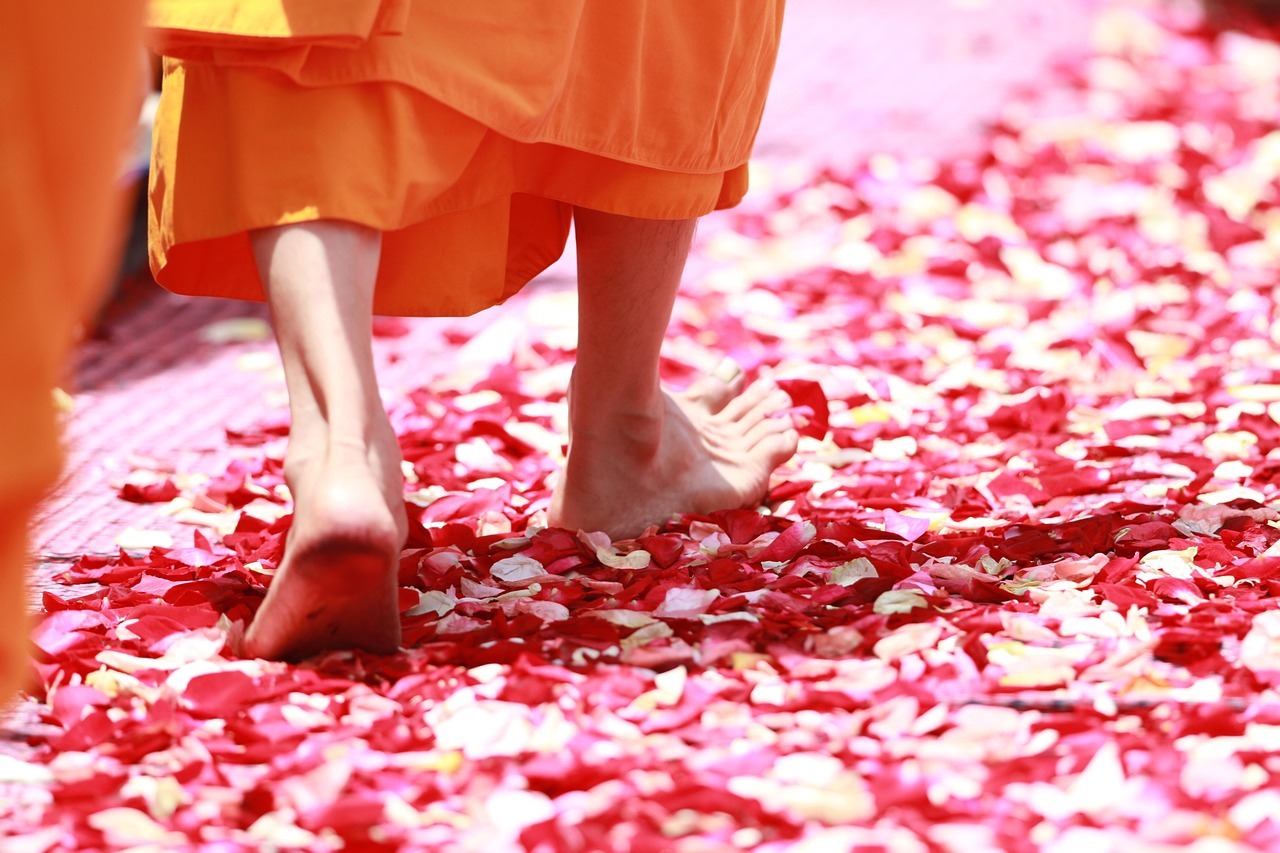
The Dhammapada is one of the most revered texts in Buddhist literature, offering timeless wisdom that guides us toward a more mindful and compassionate life. Rooted in the teachings of the Buddha, this ancient text provides practical advice on how to live ethically, cultivate inner peace, and attain spiritual awakening
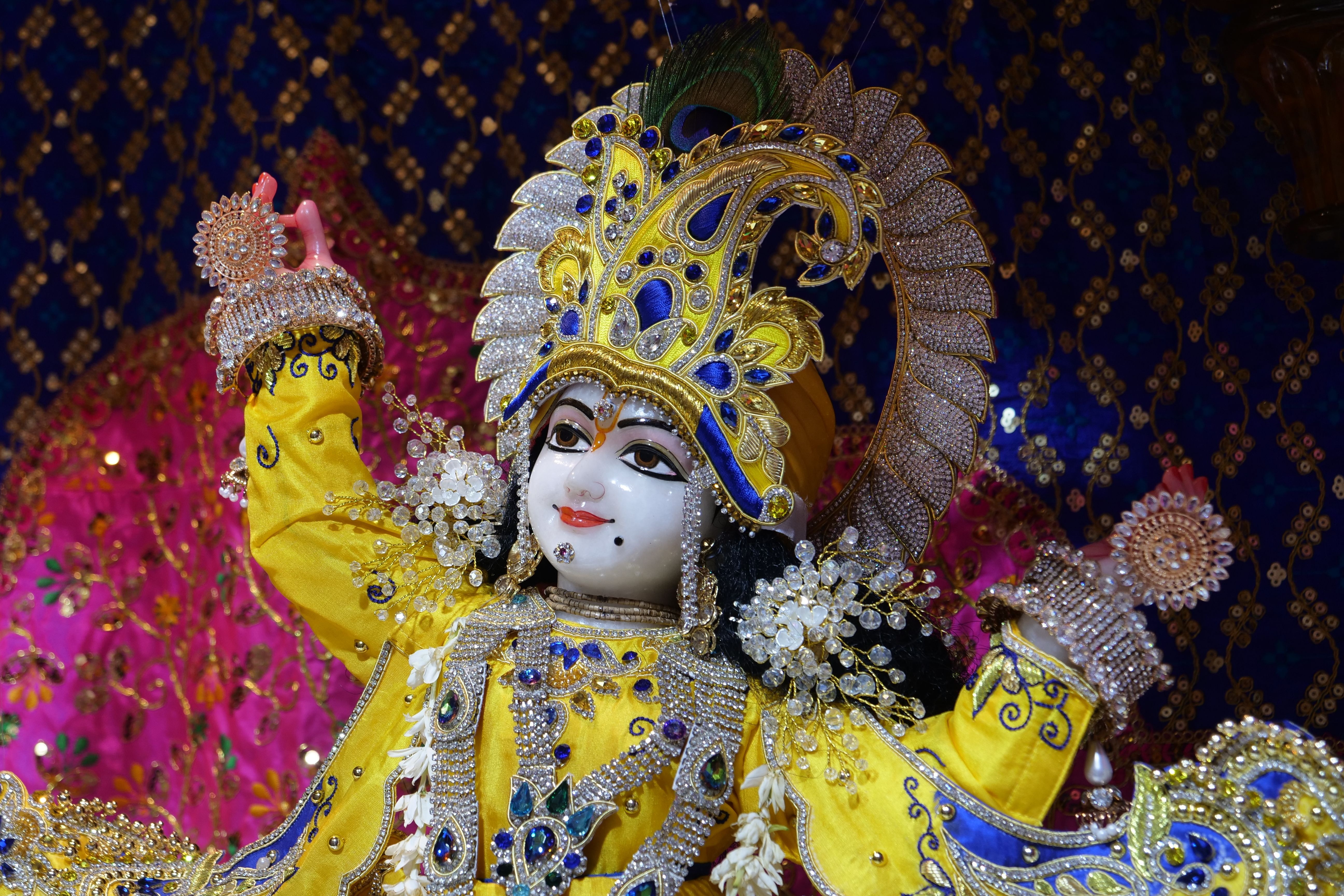
Janmashtami, the vibrant festival celebrating the birth of Lord Krishna, is one of the most significant events in the Hindu calendar. It is a time of joy, devotion, and cultural festivities that bring communities together in celebration. Whether you are steeped in the traditions of Janmashtami or simply curious about i

Buddhism has captivated the hearts and minds of millions worldwide, offering a path to inner peace, mindfulness, and spiritual awakening. At the forefront of this spiritual movement are revered Buddhist teachers, whose teachings continue to inspire and guide seekers on their journey to enlightenment. In this article, w
Stay in the loop
Get the latest articles delivered to your inbox. No spam, unsubscribe anytime.
Exploring the Psychology of Beauty: Cultural Perspectives on Attractiveness
Beauty is a concept that transcends time and culture, yet its definition varies widely depending on one's cultural background and societal norms. From the symmetry of facial features to the standards of body shape, perceptions of attractiveness are deeply influenced by cultural factors and psychological processes. In t
Continue Reading