Anemia Demystified: How to Improve Iron Levels and Regain Your Vitality
Anemia, often referred to as the "silent condition," can affect your energy levels, mood, and overall well-being. It's more common than you might think, with millions of people worldwide experiencing its effects. But what exactly is anemia, and how can you manage it effectively? In this article, we'll explore the cause
Anemia, often referred to as the "silent condition," can affect your energy levels, mood, and overall well-being. It's more common than you might think, with millions of people worldwide experiencing its effects. But what exactly is anemia, and how can you manage it effectively? In this article, we'll explore the causes of anemia, its symptoms, and practical tips for boosting your iron levels to help you feel your best.
What Is Anemia?
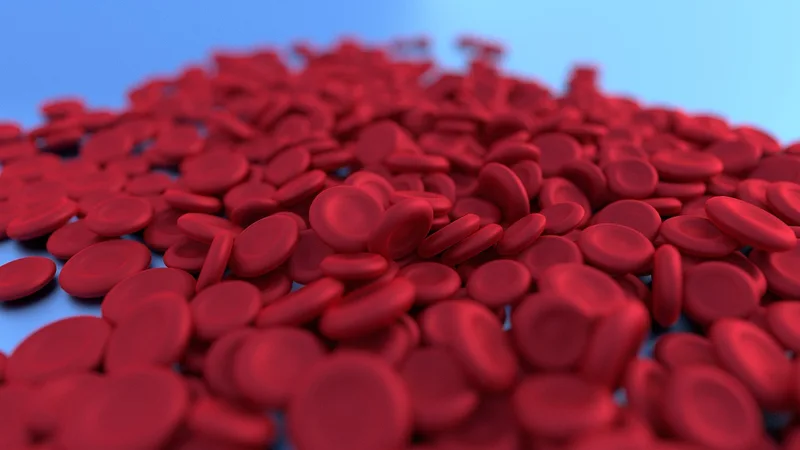
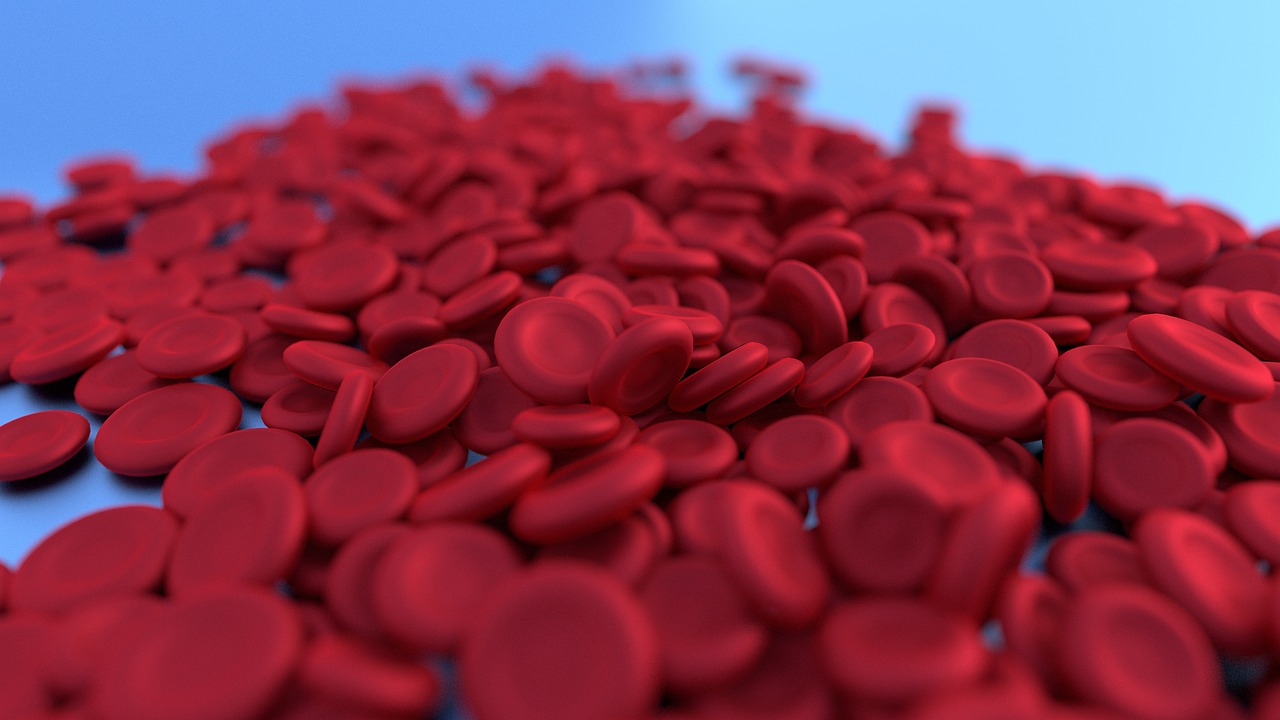
Anemia occurs when your blood lacks enough healthy red blood cells or hemoglobin, which is essential for carrying oxygen throughout your body. Without sufficient oxygen, your body struggles to perform its basic functions, leading to fatigue, weakness, and other symptoms. There are various types of anemia, but iron-deficiency anemia is the most common.
Causes of Anemia
Several factors can contribute to anemia, including:
- Iron Deficiency: The most common cause of anemia, iron deficiency, occurs when your body doesn't have enough iron to produce hemoglobin. This can result from a poor diet, blood loss (e.g., heavy menstruation), or an inability to absorb iron properly.
- Vitamin Deficiencies: A lack of certain vitamins, such as B12 and folate, can also lead to anemia. These vitamins are crucial for red blood cell production.
- Chronic Diseases: Conditions like chronic kidney disease, cancer, and inflammatory diseases can interfere with your body's ability to produce red blood cells.
- Genetic Factors: Some forms of anemia, like sickle cell anemia, are inherited and require specialized treatment.
Common Symptoms of Anemia
Anemia can manifest in various ways, depending on its severity. Common symptoms include:
- Persistent fatigue and weakness
- Pale or yellowish skin
- Shortness of breath, especially during physical activity
- Dizziness or lightheadedness
- Cold hands and feet
- Irregular heartbeat
If you experience these symptoms, it's important to consult a healthcare professional for a proper diagnosis.
How to Boost Your Iron Levels Naturally
Managing anemia often starts with improving your iron levels. Here are some practical tips to help you achieve this:
1. Iron-Rich Foods
Incorporating iron-rich foods into your diet is the most straightforward way to boost your iron levels. Some of the best sources of iron include:
- Red Meat: Beef, lamb, and pork are excellent sources of heme iron, which is easily absorbed by the body.
- Poultry and Fish: Chicken, turkey, and seafood like salmon and tuna also provide heme iron.
- Leafy Greens: Spinach, kale, and Swiss chard are great sources of non-heme iron, especially when eaten with vitamin C-rich foods to enhance absorption.
- Legumes and Beans: Lentils, chickpeas, and kidney beans are plant-based sources of iron.
- Nuts and Seeds: Almonds, cashews, and pumpkin seeds are not only nutritious but also iron-rich.
2. Vitamin C Intake
Vitamin C significantly enhances the absorption of non-heme iron (from plant sources). Pairing iron-rich foods with vitamin C-rich foods, such as citrus fruits, strawberries, bell peppers, and tomatoes, can make a big difference in your iron levels.
3. Cook with Cast Iron
Using cast iron cookware can increase the iron content of your food, especially when cooking acidic foods like tomato sauce. It's a simple way to boost your iron intake without changing your diet drastically.
4. Avoid Iron Inhibitors
Certain substances can inhibit iron absorption, such as calcium, tannins (found in tea and coffee), and phytates (found in whole grains). While these foods are healthy, it's best to consume them separately from iron-rich meals to maximize absorption.
5. Consider Iron Supplements
In some cases, dietary changes may not be enough to correct iron deficiency anemia. Your doctor may recommend iron supplements, which are available in various forms. Always consult a healthcare provider before starting any supplement regimen to avoid potential side effects, such as constipation or stomach upset.
When to Seek Medical Advice
While dietary changes and lifestyle adjustments can help manage anemia, it's crucial to seek medical advice if you suspect you have anemia. A healthcare professional can perform blood tests to diagnose the condition accurately and recommend appropriate treatments, such as iron supplements, vitamin B12 injections, or other therapies tailored to your specific needs.
Conclusion
Understanding anemia and taking proactive steps to manage it can significantly improve your quality of life. By incorporating iron-rich foods into your diet, enhancing iron absorption with vitamin C, and making informed choices about supplements, you can boost your iron levels and regain your energy. Remember, managing anemia is a journey, and with the right approach, you can overcome its challenges and enjoy a healthier, more vibrant life.
References
- Mayo Clinic. (2023). Anemia. Retrieved from Mayo Clinic.
- National Heart, Lung, and Blood Institute. (2022). What Is Anemia? Retrieved from NHLBI.
- World Health Organization. (2022). Anaemia. Retrieved from WHO.
More from Tech
The hub guide for home EV charging in Germany: the total cost picture (€1,200–3,500 upfront, ~€5.50–7.40/100km running), a six-decision framework (own vs rent, wallbox, electrician, process, running cost, optional solar), and routes to every detailed spoke.
A sourced 2026 comparison of Germany's major public EV-charging networks — EnBW, Ionity, Aral pulse, Tesla Supercharger, Allego, EWE Go, Shell Recharge — covering ad-hoc vs app/subscription pricing, AC/DC surcharges, blocking fees, and how public charging stacks up against charging at home.
Charging your EV from rooftop solar in Germany: why self-consumed solar is worth ~29 ct/kWh more than exporting it, how PV surplus charging works, which wallboxes (go-e, Zappi, KEBA, Fronius, openWB) support it, and a conservative worked example of the ~€200–€350/yr saving.
Stay in the loop
Get the latest articles delivered to your inbox. No spam, unsubscribe anytime.
How to Maintain Healthy Eyesight: Essential Tips for Vision Care
Maintaining healthy eyesight is crucial for a high quality of life. Our eyes are our windows to the world, enabling us to experience the beauty and diversity of our surroundings. However, with the rise of digital devices, our eyes are under more strain than ever before. In this article, we’ll explore effective tips to
Continue Reading