Anaphora: Word of the day
AnaphoraType: NounPronunciation: uh-NAF-er-uhDefinition: Anaphora refers to the repetition of a word or phrase at the beginning of successive clauses or sentences for rhetorical or poetic effect.Etymology: The word "anaphora" originates from the Greek word "anapherein," which means "to bring back" or "to carry up

Anaphora
Type: Noun
Pronunciation: uh-NAF-er-uh
Definition: Anaphora refers to the repetition of a word or phrase at the beginning of successive clauses or sentences for rhetorical or poetic effect.
Etymology: The word "anaphora" originates from the Greek word "anapherein," which means "to bring back" or "to carry up." In rhetoric and poetry, anaphora "brings back" a word or phrase for emphasis or stylistic impact.
Meaning and Usage: Anaphora is a powerful rhetorical device used to emphasize certain ideas or themes in writing or speech. It creates a rhythmic and memorable effect, drawing attention to key points and enhancing the overall impact of the message. Anaphora is commonly used in speeches, literature, and poetry to evoke emotion, emphasize a point, or create a sense of unity and coherence.
Synonyms: Repetition, recurrence, recurrence of initial words
Antonyms: Epistrophe (repetition of a word or phrase at the end of successive clauses or sentences)
Example Sentences:
In Martin Luther King Jr.'s famous "I Have a Dream" speech, the repeated phrase "I have a dream" serves as a poignant example of anaphora.
The anaphoric repetition of "we shall" in Winston Churchill's speeches during World War II rallied the British people to persevere in the face of adversity.
The poem "Do not go gentle into that good night" by Dylan Thomas features powerful anaphora with the repeated phrase "Do not go gentle," expressing defiance in the face of death.
How to Use in Conversation: When discussing effective communication techniques or analyzing speeches and literature, you can mention the use of anaphora as a stylistic device to enhance emphasis and rhythm. For example, "I noticed how the anaphora in the speech really emphasized the speaker's main points and captured the audience's attention."
Interesting Facts or Trivia: Anaphora is a prominent feature in many religious texts, such as the Psalms in the Bible and the chants of Hindu scriptures. Its use dates back to ancient rhetoric and continues to be a key element in modern discourse.
Quote of the Day: "We shall fight on the beaches, we shall fight on the landing grounds, we shall fight in the fields and in the streets, we shall fight in the hills; we shall never surrender." - Winston Churchill
Incorporating Anaphora into Your Vocabulary: By incorporating anaphora into your writing and speech, you can add depth and resonance to your message. Experiment with repeating key phrases or words at the beginning of successive sentences to enhance emphasis and rhetorical impact.
Share and Connect: Share today's Word of the Day with friends and colleagues who have an interest in language and communication. Discuss examples of anaphora in literature and speeches, and explore how its use enhances the effectiveness of the message.
Conclusion: Anaphora is a powerful rhetorical device that enhances the impact of writing and speech by repeating words or phrases at the beginning of successive clauses or sentences. Its rhythmic and memorable effect captures attention, emphasizes key points, and evokes emotion, making it a valuable tool for effective communication.
More from Education
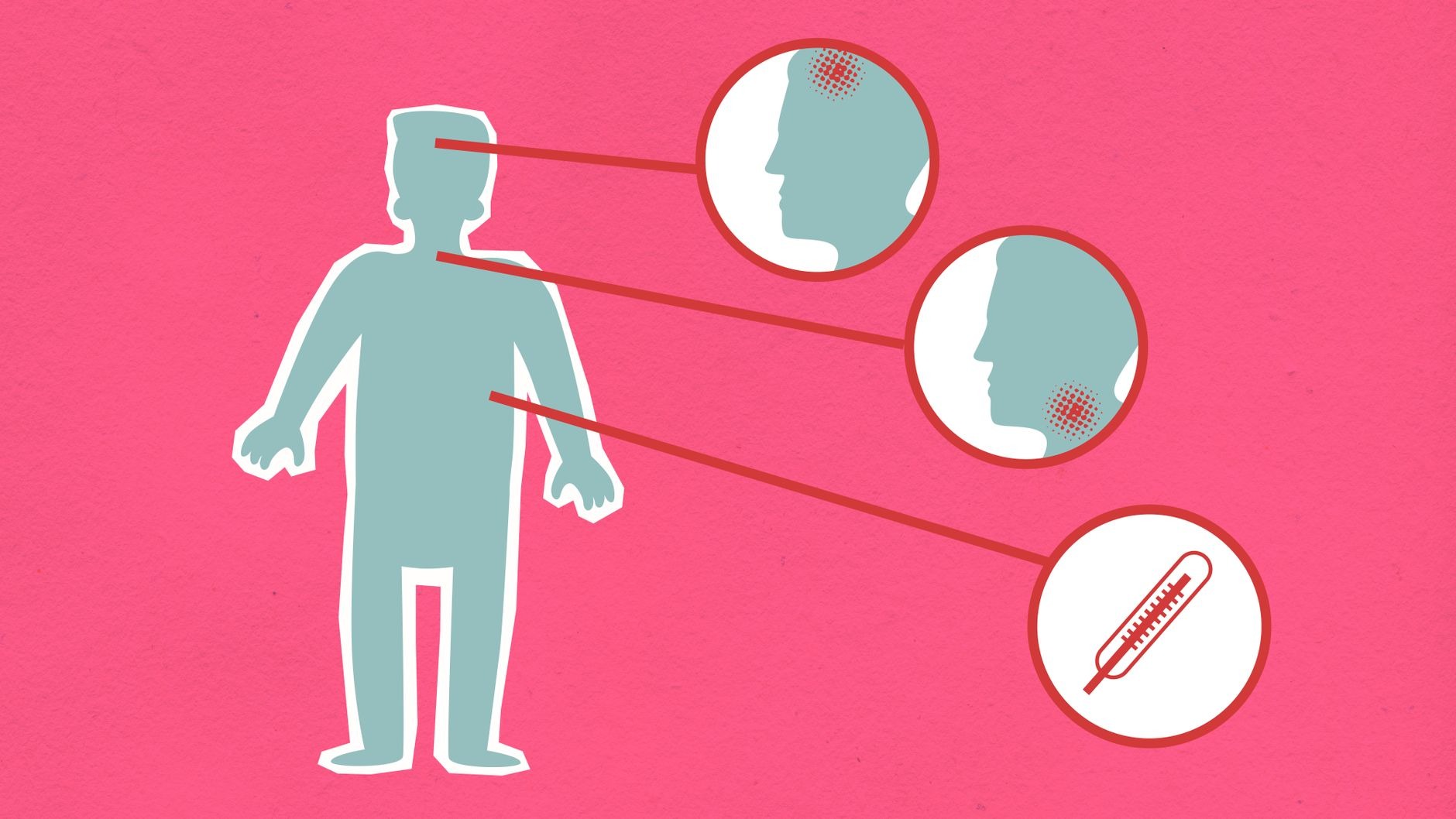
What is Cherry Angioedema?Cherry angioedema is a condition characterized by the sudden appearance of red, cherry-like swellings on the skin. These swellings are essentially benign tumors of blood vessels that can appear anywhere on the body. Though not typically life-threatening, the condition can cause discomfort and

Word: GarrulousType: AdjectivePronunciation: gəˈrʊləsDefinition: Excessively talkative, often in a rambling or longwinded way.Etymology: Borrowing from 17th century Latin "garrulus" meaning "talkative, garrulous," which itself comes from the Latin verb "garrire" meaning "to chatter."Meaning and Usage: Garrulous describ
Word of the Day: PerfidiousType: AdjectivePronunciation: pərˈfɪdiəsDefinition: Deliberately faithless; treacherous; deceitful.Etymology: From Latin "perfidus" meaning "faithless."Meaning and Usage: Perfidious describes someone who betrays trust in a serious way, often through trickery or dishonesty. It implies a delibe
Stay in the loop
Get the latest articles delivered to your inbox. No spam, unsubscribe anytime.
Navigate the Tech Maze: How to Choose the Right Laptop for Your Needs
In today's digital world, laptops have become an essential tool for work, education, and entertainment. But with countless models and specifications available, choosing the right one can feel overwhelming. Fear not, tech adventurer! This guide will equip you with the knowledge to navigate the laptop market and find the
Continue Reading