Cherry Angioedema: Understanding Symptoms, Causes, and Treatment Options
What is Cherry Angioedema?Cherry angioedema is a condition characterized by the sudden appearance of red, cherry-like swellings on the skin. These swellings are essentially benign tumors of blood vessels that can appear anywhere on the body. Though not typically life-threatening, the condition can cause discomfort and
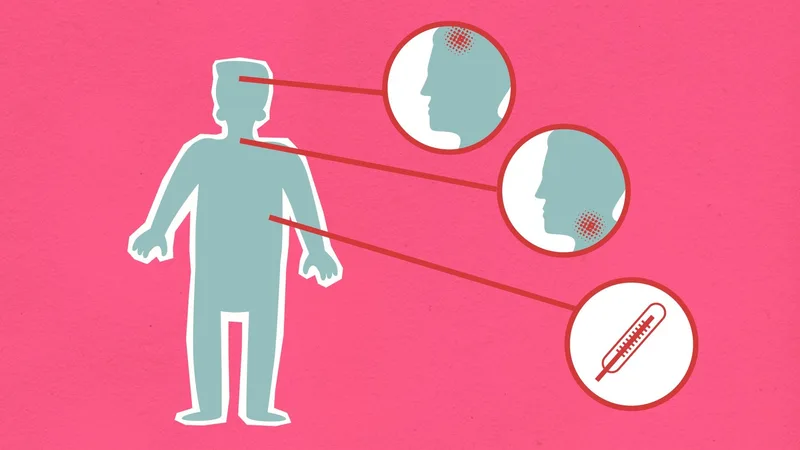
What is Cherry Angioedema?
Cherry angioedema is a condition characterized by the sudden appearance of red, cherry-like swellings on the skin. These swellings are essentially benign tumors of blood vessels that can appear anywhere on the body. Though not typically life-threatening, the condition can cause discomfort and distress due to its appearance and associated symptoms.
Symptoms of Cherry Angioedema
Cherry angioedema manifests primarily through the following symptoms:
Red, Raised Lesions
The most prominent symptom is the development of cherry-red, dome-shaped swellings on the skin. These lesions are usually soft and can range in size from a few millimeters to several centimeters.
Itching and Discomfort
The affected areas may itch or feel uncomfortable. The degree of discomfort can vary depending on the size and location of the lesions.
Pain
In some instances, the lesions may be tender or painful, especially if they are large or located in sensitive areas.
Swelling
The surrounding skin may become swollen, which can add to the discomfort experienced by the individual.
Causes of Cherry Angioedema
Cherry angioedema can result from various factors, including:
Genetic Predisposition
A family history of similar conditions can increase the likelihood of developing cherry angioedema. Genetic factors can influence how an individual's body responds to certain stimuli.
Environmental Triggers
Certain environmental factors, such as exposure to allergens or irritants, may trigger the onset of cherry angioedema. Identifying and avoiding these triggers can be an important part of managing the condition.
Medical Conditions
Underlying health conditions, such as chronic infections or autoimmune disorders, may contribute to the development of cherry angioedema. It is essential to address these conditions to reduce the risk of angioedema.
Diagnosis of Cherry Angioedema
Diagnosing cherry angioedema involves several steps:
Medical History
A thorough medical history is essential to identify any underlying conditions or genetic factors that might be contributing to the symptoms.
Physical Examination
A healthcare provider will conduct a physical examination to assess the appearance, size, and distribution of the lesions. This examination helps differentiate cherry angioedema from other skin conditions with similar symptoms.
Laboratory Tests
In some cases, laboratory tests may be conducted to rule out other potential causes of the symptoms. Blood tests or skin biopsies may be used to confirm the diagnosis and determine any underlying issues.
Treatment Options for Cherry Angioedema
Treatment for cherry angioedema focuses on managing symptoms and addressing any underlying causes. Options include:
Topical Treatments
Topical treatments, such as corticosteroid creams, can help reduce inflammation and discomfort associated with the lesions. These treatments are applied directly to the affected areas.
Oral Medications
In more severe cases, oral medications such as antihistamines or corticosteroids may be prescribed to manage symptoms and reduce swelling.
Lifestyle Modifications
Identifying and avoiding environmental triggers is crucial in managing cherry angioedema. Keeping a record of potential triggers and making lifestyle adjustments can help prevent flare-ups.
Medical Procedures
In rare cases, medical procedures such as laser therapy or cryotherapy may be considered to remove or reduce the size of the lesions. These options are typically reserved for severe cases or when other treatments have not been effective.
Managing Cherry Angioedema
Managing cherry angioedema involves a combination of treatment options and lifestyle adjustments:
Regular Monitoring
Regular monitoring of symptoms and lesions is essential to track any changes and adjust treatment plans as needed.
Avoiding Triggers
Identifying and avoiding potential environmental triggers can help prevent the onset of new lesions and reduce the frequency of flare-ups.
Seeking Medical Advice
Consulting with a healthcare provider regularly ensures that any underlying conditions are addressed and that the treatment plan remains effective.
Conclusion
Cherry angioedema is a condition marked by the appearance of red, cherry-like swellings on the skin. While it is not typically life-threatening, it can cause discomfort and affect quality of life. Understanding the symptoms, causes, and treatment options can help individuals manage the condition effectively and improve their overall well-being. Regular monitoring and lifestyle modifications play a crucial role in managing cherry angioedema and preventing future flare-ups.
More from Education

Word: GarrulousType: AdjectivePronunciation: gəˈrʊləsDefinition: Excessively talkative, often in a rambling or longwinded way.Etymology: Borrowing from 17th century Latin "garrulus" meaning "talkative, garrulous," which itself comes from the Latin verb "garrire" meaning "to chatter."Meaning and Usage: Garrulous describ
Word of the Day: PerfidiousType: AdjectivePronunciation: pərˈfɪdiəsDefinition: Deliberately faithless; treacherous; deceitful.Etymology: From Latin "perfidus" meaning "faithless."Meaning and Usage: Perfidious describes someone who betrays trust in a serious way, often through trickery or dishonesty. It implies a delibe
CerebralType: AdjectivePronunciation: suh-REE-bruhl (US) / suh-REE-bruhl or suh-REBR-uhl (UK)Definition:Of or relating to the brain or intellect.Primarily intellectual in nature; appealing to the mind rather than the emotions.Etymology:The word "cerebral" comes from the Latin word "cerebrum," which means "brain."
Stay in the loop
Get the latest articles delivered to your inbox. No spam, unsubscribe anytime.
The Ultimate Guide to Charcoal Soap for Skin: Benefits, Uses, and How It Transforms Your Skincare Routine
Charcoal soap has taken the skincare world by storm, and for good reason. This unique soap, made from activated charcoal, offers a range of benefits that can elevate your daily skincare routine. But what exactly makes charcoal soap so special? In this guide, we'll dive deep into everything you need to know about charco
Continue Reading