Understanding the Significance of Hinduism in Modern Society
Hinduism, one of the world's oldest and most diverse religions, continues to play a significant role in shaping cultural, social, and spiritual life in modern society. With its rich tapestry of beliefs, practices, and traditions, Hinduism offers profound insights and guidance that resonate with people around the globe.

Hinduism, one of the world's oldest and most diverse religions, continues to play a significant role in shaping cultural, social, and spiritual life in modern society. With its rich tapestry of beliefs, practices, and traditions, Hinduism offers profound insights and guidance that resonate with people around the globe. In this article, we explore the enduring significance of Hinduism in the contemporary world and its relevance in addressing modern challenges.

Embracing Diversity and Inclusivity
One of the key aspects of Hinduism's significance in modern society is its embrace of diversity and inclusivity. Hinduism encompasses a vast array of beliefs, rituals, and philosophies, accommodating a wide spectrum of religious expressions and spiritual paths. This inclusivity fosters tolerance, acceptance, and respect for different perspectives, promoting harmony and unity amidst cultural and religious diversity.
Spiritual Guidance and Personal Growth

Hinduism offers a wealth of spiritual teachings and practices that provide guidance and support for individuals seeking personal growth and self-discovery. Concepts such as karma (the law of cause and effect), dharma (one's duty or righteous path), and moksha (liberation from the cycle of birth and death) offer a framework for ethical living and spiritual development. Practices like yoga, meditation, and devotion (bhakti) provide tools for cultivating inner peace, mindfulness, and connection to the divine.
Cultural Heritage and Identity

In addition to its spiritual significance, Hinduism plays a vital role in preserving cultural heritage and identity. Hindu festivals, rituals, and traditions are deeply ingrained in the fabric of society, serving as occasions for celebration, reflection, and community bonding. From Diwali, the festival of lights, to Holi, the festival of colors, Hindu festivals bring people together across generations and backgrounds, fostering a sense of belonging and cultural pride.
Social Justice and Service
Hinduism's emphasis on compassion, social responsibility, and service to others underscores its relevance in addressing contemporary social issues. The principle of ahimsa (non-violence) inspires advocacy for peace, justice, and environmental sustainability. Charitable activities, such as feeding the hungry (annadanam) and caring for the sick (seva), are integral to Hindu practice, reflecting a commitment to alleviating suffering and promoting the welfare of all beings.

In conclusion, the significance of Hinduism in modern society is multifaceted and far-reaching, encompassing spiritual guidance, cultural heritage, and social justice. As a source of inspiration, wisdom, and moral guidance, Hinduism continues to enrich the lives of millions of people worldwide. By embracing its teachings and values, individuals can find meaning, purpose, and fulfillment in the complexities of the modern world, contributing to a more compassionate, harmonious, and inclusive society.
More from Hinduism
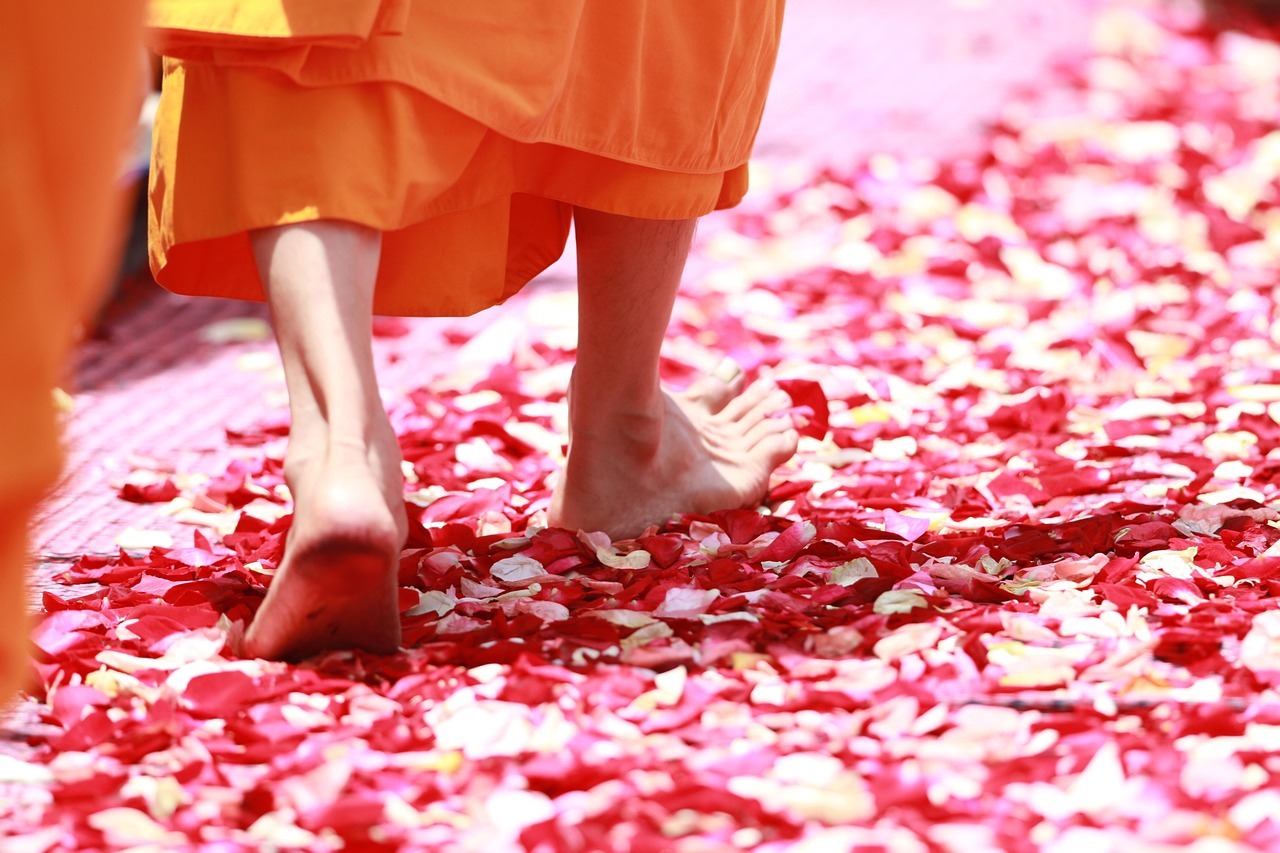
The Dhammapada is one of the most revered texts in Buddhist literature, offering timeless wisdom that guides us toward a more mindful and compassionate life. Rooted in the teachings of the Buddha, this ancient text provides practical advice on how to live ethically, cultivate inner peace, and attain spiritual awakening
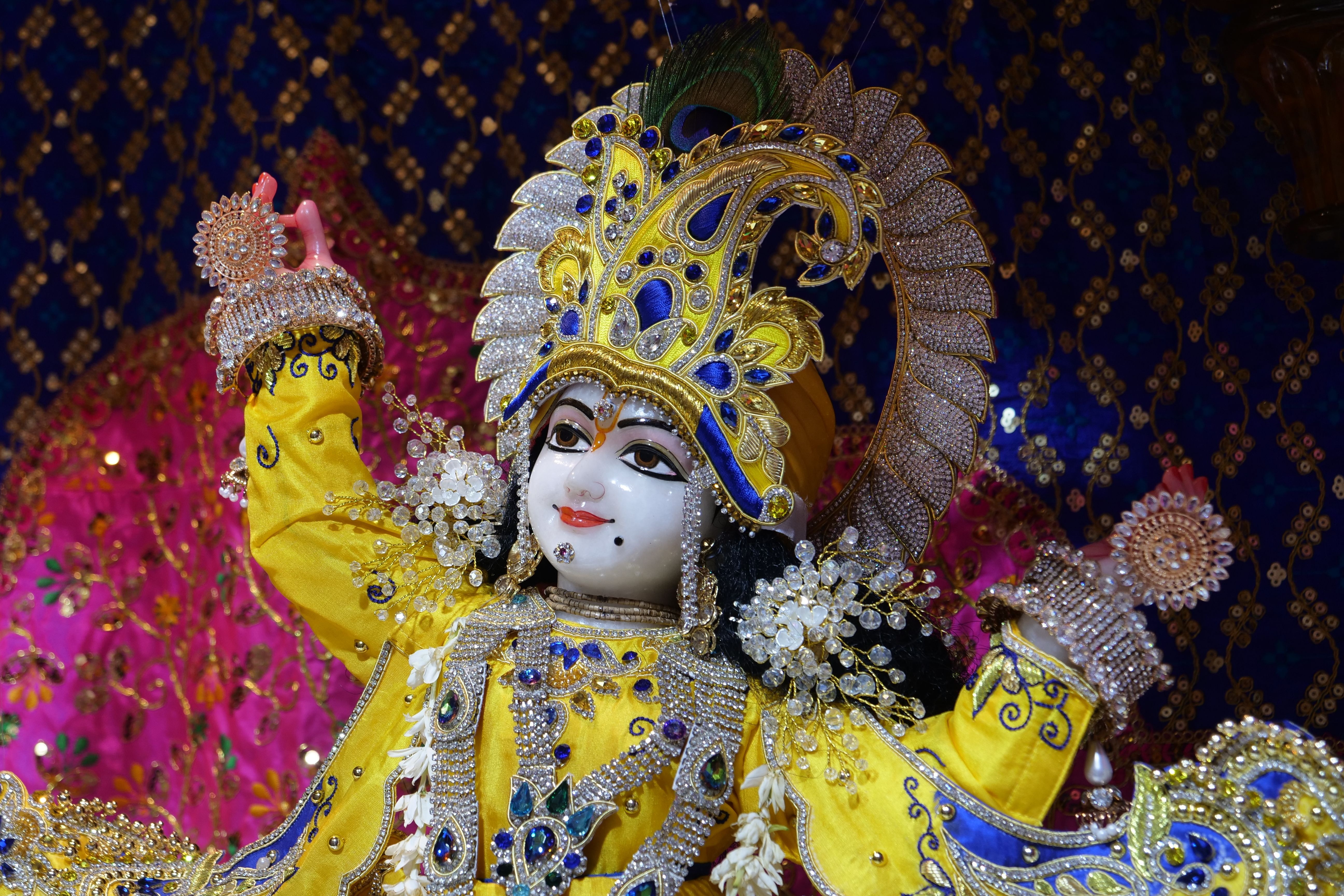
Janmashtami, the vibrant festival celebrating the birth of Lord Krishna, is one of the most significant events in the Hindu calendar. It is a time of joy, devotion, and cultural festivities that bring communities together in celebration. Whether you are steeped in the traditions of Janmashtami or simply curious about i

Buddhism has captivated the hearts and minds of millions worldwide, offering a path to inner peace, mindfulness, and spiritual awakening. At the forefront of this spiritual movement are revered Buddhist teachers, whose teachings continue to inspire and guide seekers on their journey to enlightenment. In this article, w
Stay in the loop
Get the latest articles delivered to your inbox. No spam, unsubscribe anytime.
Exploring the Philosophy of Time: Eastern and Western Perspectives
Time is a fundamental aspect of human existence, shaping our perceptions, experiences, and understanding of reality. Across cultures and traditions, philosophers have grappled with the nature of time, offering diverse perspectives that reflect both Eastern and Western thought. In this article, we delve into the philoso
Continue Reading