Title: Exploring the Rich Tradition of Literature in Jainism: A Journey into Ancient Wisdom
Jainism, one of the world's oldest religions, has a rich literary tradition that spans millennia. Rooted in the teachings of enlightened beings known as Tirthankaras, Jain literature encompasses a vast array of sacred texts, philosophical treatises, and ethical principles that offer profound insights into the nature of
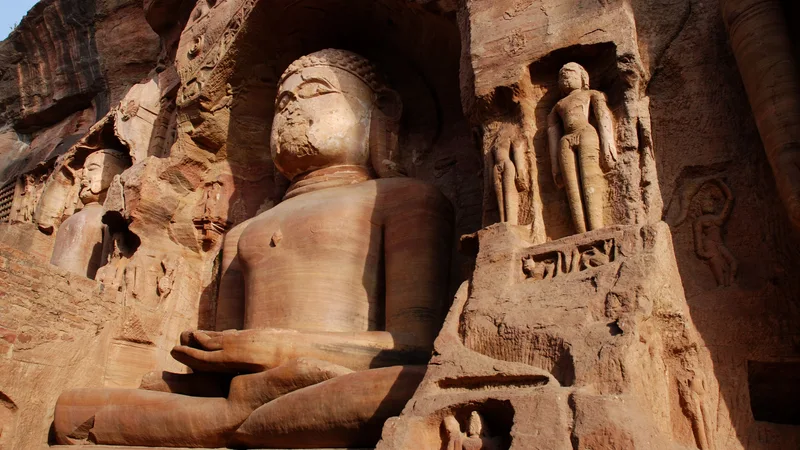
Jainism, one of the world's oldest religions, has a rich literary tradition that spans millennia. Rooted in the teachings of enlightened beings known as Tirthankaras, Jain literature encompasses a vast array of sacred texts, philosophical treatises, and ethical principles that offer profound insights into the nature of existence, karma, and liberation. In this article, we embark on a journey to explore the diverse literary heritage of Jainism, uncovering its timeless wisdom and relevance in the modern world.
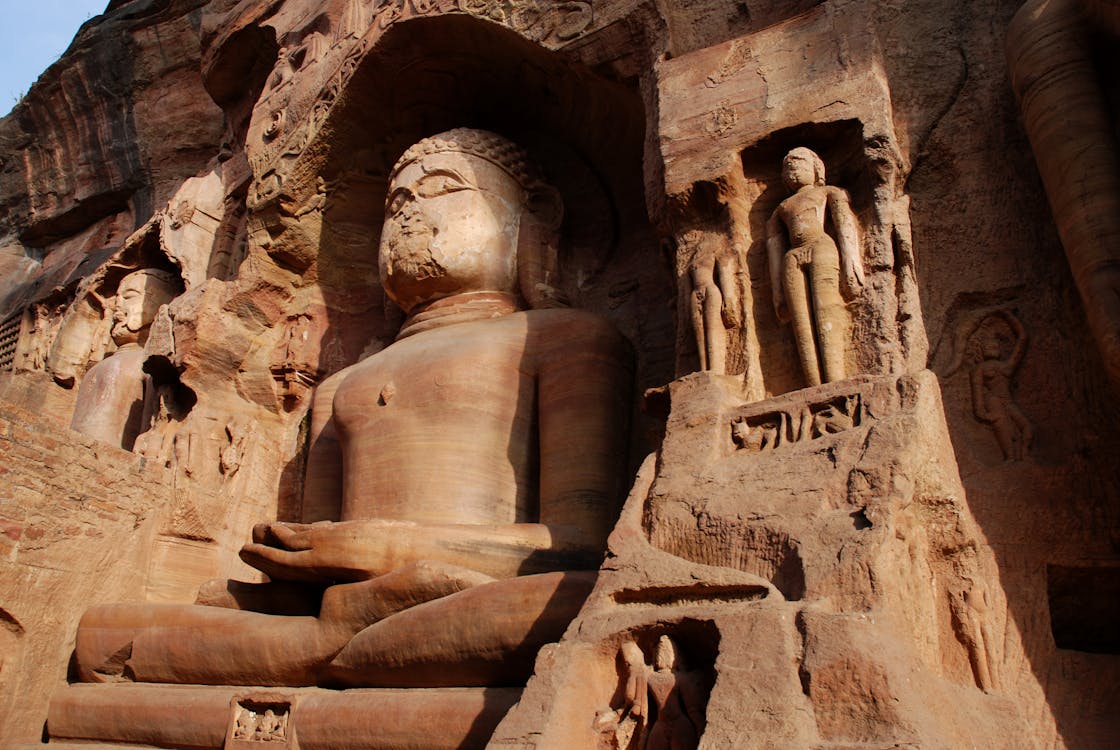
The Canonical Texts of Jainism:
At the heart of Jain literature are the Agamas, the canonical scriptures believed to have been preached by Lord Mahavira, the 24th Tirthankara. These sacred texts, composed in Ardhamagadhi Prakrit, contain the essence of Jain philosophy, morality, and spiritual practices. The Agamas are classified into two main categories: the Srutaskandha (scriptural texts) and the Angaskandha (commentaries and explanations).
Key Texts in Jain Literature:
1. Acharanga Sutra:
Also known as the "Manual of Conduct," the Acharanga Sutra provides guidelines for ethical conduct, self-discipline, and spiritual purification. It emphasizes the importance of non-violence (ahimsa), truthfulness (satya), non-stealing (asteya), celibacy (brahmacharya), and non-possessiveness (aparigraha) as the fundamental principles of Jainism.
2. Sutrakritanga:
This text, composed by Acharya Bhadrabahu, elaborates on the principles of Jain philosophy, including the nature of the soul (jiva), karma, and the path to liberation (moksha). It discusses various aspects of Jain doctrine, such as the doctrine of multiplicity of viewpoints (anekantavada) and the theory of non-absolutism.
3. Tattvartha Sutra:
Authored by Acharya Umasvati, the Tattvartha Sutra (also known as the "Sarvartha Siddhi") is a seminal work in Jain philosophy. It systematically presents the fundamental truths of Jainism, including the nature of reality, the soul, karma, and the path to spiritual liberation. The text is revered for its clarity, precision, and comprehensive exposition of Jain doctrine.
4. Jaina Puranas:
Jain literature also includes a rich corpus of mythological and narrative texts known as Jaina Puranas. These texts recount the lives of Tirthankaras, legendary figures, and historical events from Jain cosmology and mythology. Prominent examples include the "Adi Purana" by Acharya Jinasena and the "Harivamsha Purana" by Acharya Jinasenacharya.
5. Prakrit Poetry:
Jainism has a rich tradition of Prakrit poetry, featuring devotional hymns, philosophical verses, and didactic literature. The compositions of Jain poets such as Kundakunda, Amritchandra, and Hemachandra are celebrated for their poetic beauty, spiritual depth, and philosophical insight.
Relevance of Jain Literature Today:
The teachings and insights found in Jain literature continue to resonate with people from all walks of life, offering timeless wisdom and guidance for navigating the complexities of existence. The emphasis on non-violence, compassion, truthfulness, and self-discipline remains as relevant today as it was in ancient times, serving as a beacon of moral and spiritual inspiration in a rapidly changing world.
The literature of Jainism stands as a testament to the profound wisdom and spiritual legacy of this ancient tradition. Through its sacred texts, philosophical treatises, and literary compositions, Jain literature illuminates the path to enlightenment, ethical living, and spiritual liberation. By exploring the rich tapestry of Jain literature, we gain insights into the eternal truths of existence and the timeless principles of righteousness and compassion. As we continue to delve into the depths of Jain wisdom, may we find guidance, inspiration, and solace on our journey towards self-discovery and spiritual awakening.
More from Religion
The Dhammapada is one of the most revered texts in Buddhist literature, offering timeless wisdom that guides us toward a more mindful and compassionate life. Rooted in the teachings of the Buddha, this ancient text provides practical advice on how to live ethically, cultivate inner peace, and attain spiritual awakening
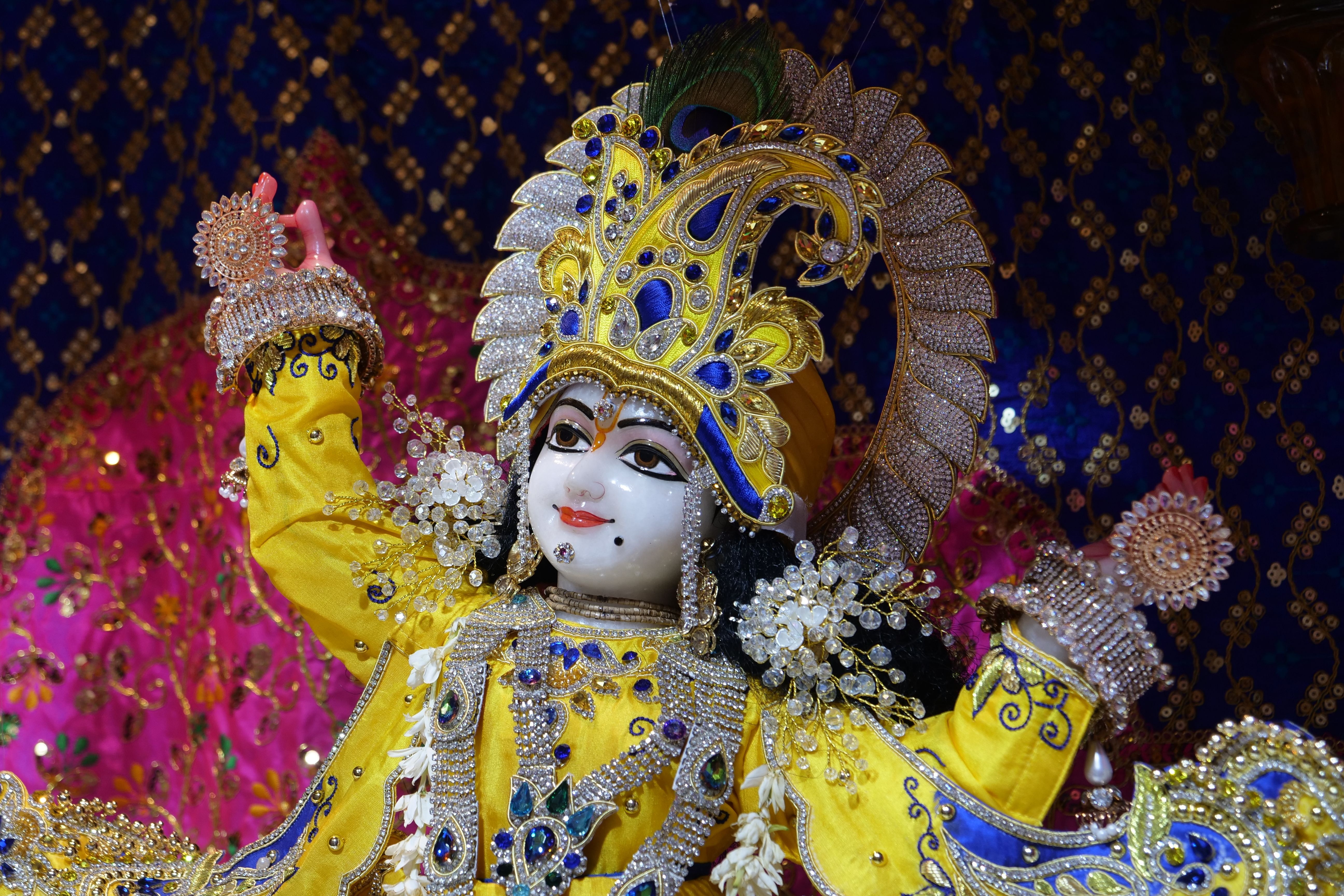
Janmashtami, the vibrant festival celebrating the birth of Lord Krishna, is one of the most significant events in the Hindu calendar. It is a time of joy, devotion, and cultural festivities that bring communities together in celebration. Whether you are steeped in the traditions of Janmashtami or simply curious about i

Buddhism has captivated the hearts and minds of millions worldwide, offering a path to inner peace, mindfulness, and spiritual awakening. At the forefront of this spiritual movement are revered Buddhist teachers, whose teachings continue to inspire and guide seekers on their journey to enlightenment. In this article, w
Stay in the loop
Get the latest articles delivered to your inbox. No spam, unsubscribe anytime.
Beating the Heat: Tips to Prevent and Treat Heat Stroke
As temperatures soar, the risk of heat-related illnesses, including heat stroke, becomes a concern. Heat stroke is a serious condition that occurs when the body overheats, often as a result of prolonged exposure to high temperatures or physical exertion in hot environments. Fortunately, with proper precautions and time
Continue Reading