The Life and Teachings of Prophet Muhammad: A Journey of Faith and Compassion
Prophet Muhammad, the final messenger in Islam, holds a place of profound reverence among over a billion Muslims worldwide. His life and teachings continue to inspire, guide, and provide a model for ethical and spiritual living. This article delves into the significant milestones in his life and the core principles of

Prophet Muhammad, the final messenger in Islam, holds a place of profound reverence among over a billion Muslims worldwide. His life and teachings continue to inspire, guide, and provide a model for ethical and spiritual living. This article delves into the significant milestones in his life and the core principles of his teachings, reflecting a legacy that transcends time and geography.
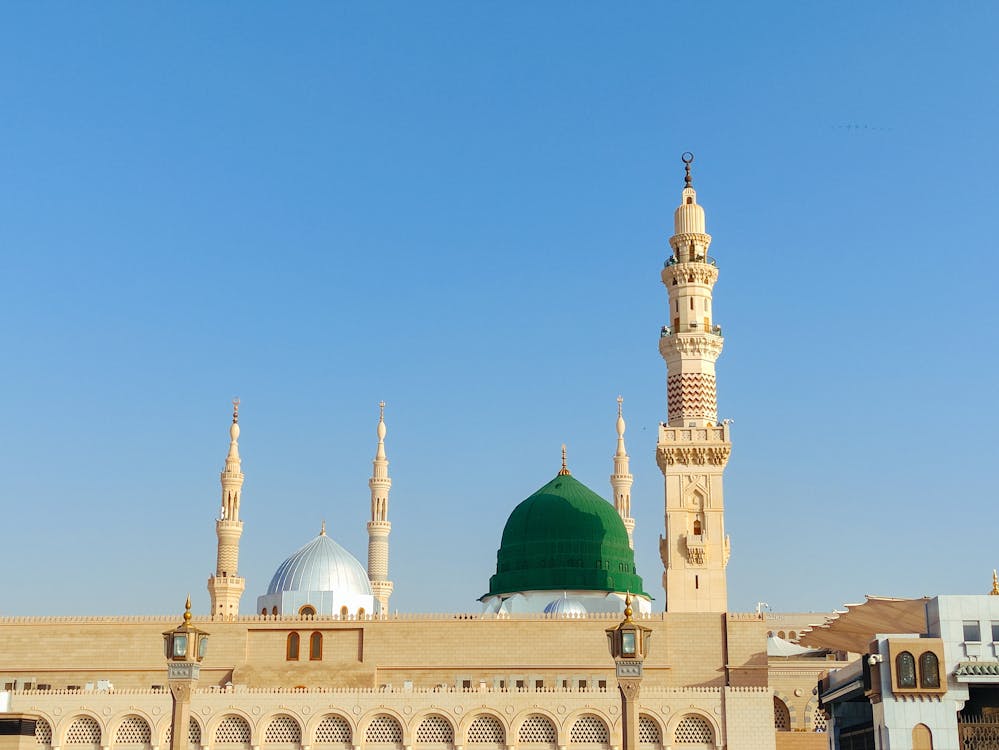
Early Life and Revelation
Born in 570 CE in the city of Mecca, Muhammad was a member of the Quraysh tribe. Orphaned at a young age, he was raised by his grandfather and later by his uncle. Muhammad earned the nickname "Al-Amin," meaning the trustworthy, for his honesty and integrity in business dealings.
At the age of 40, while meditating in the cave of Hira, Muhammad received his first revelation from Allah through the angel Gabriel. This event marked the beginning of his prophethood and the start of the Quranic revelations, which continued over the next 23 years.
The Message of Islam
Prophet Muhammad’s teachings centered around the core tenets of Islam, which are encapsulated in the Five Pillars:
Shahada (Faith): Declaring there is no god but Allah, and Muhammad is His messenger.
Salah (Prayer): Performing the five daily prayers.
Zakat (Charity): Giving to those in need and supporting the community.
Sawm (Fasting): Observing fast during the month of Ramadan.
Hajj (Pilgrimage): Performing the pilgrimage to Mecca, if financially and physically able.
His message emphasized monotheism, social justice, compassion, and the importance of community. He advocated for the rights of the poor, women, and orphans, challenging the social inequalities of his time.
Migration to Medina and the Formation of the Muslim Community
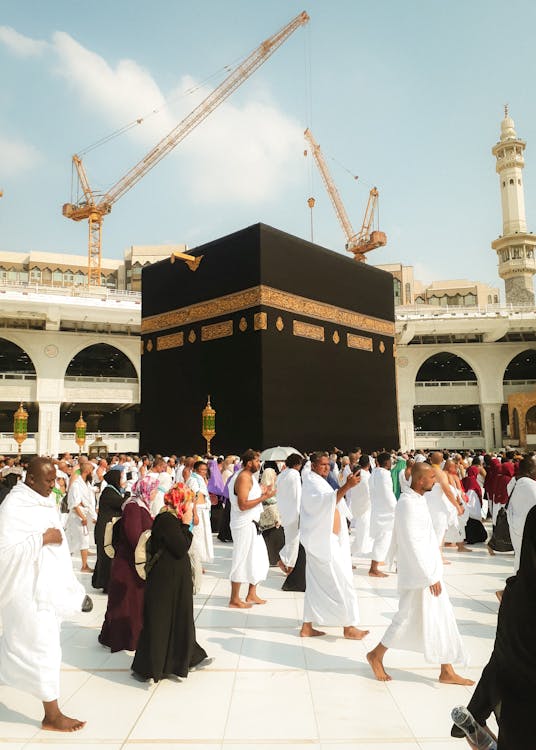
Facing persecution in Mecca, Muhammad and his followers migrated to the city of Yathrib (later known as Medina) in 622 CE, an event known as the Hijra. This migration not only marked the beginning of the Islamic calendar but also the establishment of the first Muslim community governed by Islamic principles.
In Medina, Muhammad’s leadership united the diverse tribes and established a social contract known as the Constitution of Medina, promoting coexistence, justice, and mutual support among Muslims, Jews, and other communities.
Key Teachings and Practices
Compassion and Mercy
One of the most emphasized attributes of Prophet Muhammad was his compassion. He preached kindness towards all living beings, famously saying, "The merciful are shown mercy by The Merciful (Allah). Be merciful on the earth, and you will be shown mercy from above."
Justice and Equality
Muhammad’s teachings advocated for fairness and justice. He stated, "All mankind is from Adam and Eve; an Arab has no superiority over a non-Arab, nor does a non-Arab have any superiority over an Arab."
Forgiveness and Patience
The Prophet exemplified patience and forgiveness, even towards his enemies. His magnanimity was evident when he forgave the Quraysh leaders after the conquest of Mecca, showing mercy and forbidding any form of revenge.
Environmental Stewardship
Muhammad also highlighted the importance of environmental conservation. He said, "If a Muslim plants a tree or sows seeds, and then a bird, or a person or an animal eats from it, it is regarded as a charitable gift (Sadaqah) for him."
Legacy and Continuing Influence

Prophet Muhammad passed away in 632 CE, but his teachings continue to be a guiding light for Muslims. His life is seen as the perfect embodiment of the Quranic principles, and his sayings (Hadith) and practices (Sunnah) provide a comprehensive blueprint for leading a life in accordance with Islamic values.
Today, the influence of Muhammad's life and teachings is evident in the daily lives of Muslims, the legal and social systems in many Islamic countries, and the ongoing scholarly and spiritual pursuits within the global Muslim community.
Conclusion
The life and teachings of Prophet Muhammad offer timeless wisdom and guidance. His message of monotheism, justice, compassion, and community remains relevant and continues to inspire millions around the world. By understanding and reflecting on his life, individuals can find ways to integrate his teachings into their own lives, fostering a more just, compassionate, and spiritually fulfilling world.
More from Religion
The Dhammapada is one of the most revered texts in Buddhist literature, offering timeless wisdom that guides us toward a more mindful and compassionate life. Rooted in the teachings of the Buddha, this ancient text provides practical advice on how to live ethically, cultivate inner peace, and attain spiritual awakening

Janmashtami, the vibrant festival celebrating the birth of Lord Krishna, is one of the most significant events in the Hindu calendar. It is a time of joy, devotion, and cultural festivities that bring communities together in celebration. Whether you are steeped in the traditions of Janmashtami or simply curious about i

Buddhism has captivated the hearts and minds of millions worldwide, offering a path to inner peace, mindfulness, and spiritual awakening. At the forefront of this spiritual movement are revered Buddhist teachers, whose teachings continue to inspire and guide seekers on their journey to enlightenment. In this article, w
Stay in the loop
Get the latest articles delivered to your inbox. No spam, unsubscribe anytime.
The Paleo Diet: Debunking Myths and Understanding the Basics
In recent years, the Paleo diet has surged in popularity, touted for its potential health benefits and alignment with our ancestors' eating habits. However, with its rise, numerous myths and misconceptions have also emerged. This blog aims to demystify the Paleo diet and provide a clear understanding of its principles.
Continue Reading