The Keto Craze: Debunking Myths and Unveiling the Science Behind the Ketogenic Diet
The ketogenic diet, commonly known as the keto diet, has taken the health and wellness world by storm. From promises of rapid weight loss to improved mental clarity, the keto craze shows no signs of slowing down. But with popularity comes a flood of information, not all of it accurate. In this article, we’ll debunk com

The ketogenic diet, commonly known as the keto diet, has taken the health and wellness world by storm. From promises of rapid weight loss to improved mental clarity, the keto craze shows no signs of slowing down. But with popularity comes a flood of information, not all of it accurate. In this article, we’ll debunk common myths and delve into the science behind the ketogenic diet, providing a balanced perspective on this high-fat, low-carb eating plan.

What is the Keto Diet?
The ketogenic diet is a high-fat, moderate-protein, and very low-carbohydrate diet. The goal is to shift the body's metabolism from burning carbohydrates for energy to burning fat, a state known as ketosis. Typically, this involves reducing carb intake to about 20-50 grams per day and increasing fat intake to about 70-80% of total daily calories.
Debunking Common Myths About the Keto Diet
Myth 1: The Keto Diet is Just Another Fad
The idea of ketogenic eating isn't new. In fact, it has been used for nearly a century to treat epilepsy in children. Modern interest in keto for weight loss and other health benefits has roots in solid scientific research, not just passing trends.
Myth 2: Keto is a High-Protein Diet
While protein is an important part of the keto diet, it’s actually a high-fat diet. Consuming too much protein can kick you out of ketosis because the body can convert excess protein into glucose, the very thing you're trying to avoid.
Myth 3: You Can Eat Unlimited Fat on Keto
Not all fats are created equal. The keto diet emphasizes healthy fats, such as those from avocados, nuts, seeds, and olive oil. Overindulging in unhealthy fats like those from processed meats can negate the health benefits and lead to other issues.
The Science Behind the Keto Diet
Ketosis and Metabolism
In ketosis, the body switches from using glucose as its primary energy source to using ketones, which are produced from the breakdown of fats in the liver. This metabolic state can lead to several health benefits, including:
Weight Loss: By reducing insulin levels, the keto diet can help the body burn fat more effectively.
Improved Mental Clarity: Some people report enhanced cognitive function and focus.
Stable Blood Sugar Levels: The diet can be particularly beneficial for those with insulin resistance or type 2 diabetes.
Health Benefits Supported by Research
Numerous studies have highlighted the potential benefits of the ketogenic diet. For example, a study published in the Journal of Clinical Investigation found that the keto diet could improve insulin sensitivity and reduce inflammation. Another research paper in Obesity Reviews highlighted the diet’s effectiveness in promoting significant weight loss and improving cardiovascular health markers.
Potential Risks and Considerations
While the keto diet can offer many benefits, it’s not without its risks and considerations.
Keto Flu: When starting the diet, some people experience flu-like symptoms, including headaches, fatigue, and irritability. This is typically temporary as the body adjusts to ketosis.
Nutrient Deficiencies: The restriction of carbs can lead to lower intake of certain nutrients found in fruits, vegetables, and whole grains. It’s essential to plan meals carefully to ensure a well-rounded nutrient intake.
Long-Term Sustainability: The restrictive nature of the keto diet can make it challenging to stick with long-term. It’s important to find a balance that works for your lifestyle and health goals.
Conclusion
The ketogenic diet offers a unique approach to weight loss and health improvement, backed by a significant body of scientific research. However, like any diet, it’s not a one-size-fits-all solution. By understanding the myths and science behind keto, you can make an informed decision about whether it’s the right choice for you. Always consult with a healthcare professional before making significant changes to your diet.
More from Health

Ever feel like there's just not enough time in the day to get everything done? You're not alone! In today’s fast-paced world, finding ways to maximize productivity is more important than ever. The good news is that by making small, intentional lifestyle changes, you can significantly boost your efficiency without burni

Eating organic food has become more than just a trend—it's a conscious lifestyle choice aimed at promoting better health and environmental sustainability. However, many people believe that going organic is too expensive. Fortunately, with some smart strategies, it’s possible to eat organically without breaking the bank
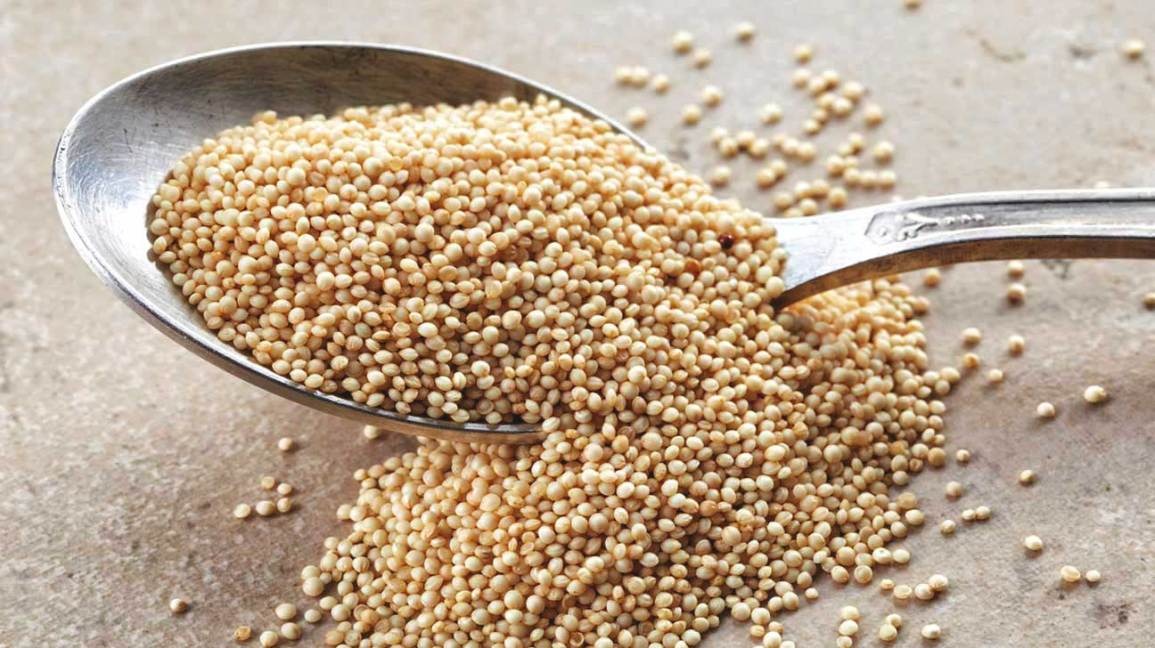
In recent years, amaranth has gained popularity among health enthusiasts and foodies alike. This ancient grain, once a staple food of the Aztecs, has resurfaced as a powerhouse ingredient for modern kitchens. Packed with protein, fiber, and a host of other nutrients, amaranth is a versatile and delicious addition to an
Stay in the loop
Get the latest articles delivered to your inbox. No spam, unsubscribe anytime.
The Dos and Don'ts of Exfoliation: How to Revitalize Your Skin Safely
Exfoliation is a key step in any effective skincare routine, but doing it wrong can lead to irritation or damage. To help you get the most out of exfoliation while keeping your skin healthy and glowing, here are the essential dos and don'ts.The Dos of Exfoliation1. Do Choose the Right Exfoliator for Your Skin TypeUnder
Continue Reading