The Foundation of Good Health: A Beginner's Guide to Essential Nutrition
The Importance of Understanding NutritionIn today's fast-paced world, maintaining good health has become a priority for many. But achieving this goal starts with understanding the basics of nutrition. Nutrition is more than just eating food; it's about knowing what your body needs to function optimally. In this g

The Importance of Understanding Nutrition
In today's fast-paced world, maintaining good health has become a priority for many. But achieving this goal starts with understanding the basics of nutrition. Nutrition is more than just eating food; it's about knowing what your body needs to function optimally. In this guide, we'll explore the fundamental principles of nutrition, helping you make informed choices for a healthier you.

What is Nutrition?
Nutrition is the science of how the body uses food to sustain life, grow, and maintain overall well-being. It involves the intake of nutrients—substances that provide energy, support bodily functions, and protect against disease. Understanding these nutrients and how they impact your health is the first step toward a balanced and healthy diet.
The Six Essential Nutrients
Carbohydrates: The Body's Primary Energy Source
- Carbohydrates are the main source of energy for your body. Found in foods like bread, pasta, fruits, and vegetables, they are broken down into glucose, which fuels your cells and organs.
Proteins: Building Blocks of Life
- Proteins are essential for growth, repair, and maintenance of tissues. They are made up of amino acids, which the body uses to build muscles, enzymes, and hormones. Good sources of protein include meat, fish, eggs, beans, and nuts.
Fats: Essential for Energy and Cellular Function
- Fats are not just a source of energy; they also play a vital role in brain function, hormone production, and nutrient absorption. Healthy fats are found in avocados, nuts, seeds, and oily fish.
Vitamins: Vital for Metabolism and Immunity
- Vitamins are organic compounds that your body needs in small amounts for various functions. Each vitamin has a specific role, from supporting the immune system to aiding in energy production. Fruits, vegetables, and whole grains are rich in vitamins.
Minerals: Supporting Structural and Functional Health
- Minerals like calcium, potassium, and iron are crucial for bone health, fluid balance, and oxygen transport. They are found in a variety of foods, including dairy products, leafy greens, and meat.
Water: The Elixir of Life
- Water is essential for all bodily functions. It helps in digestion, absorption, circulation, and temperature regulation. Staying hydrated is crucial for overall health and well-being.
Balanced Diet: The Key to Nutritional Health
A balanced diet provides the right proportions of carbohydrates, proteins, fats, vitamins, and minerals. It involves eating a variety of foods from all food groups to ensure your body gets all the nutrients it needs. Here's how to create a balanced diet:
- Incorporate Whole Foods: Focus on whole, unprocessed foods like fruits, vegetables, whole grains, lean proteins, and healthy fats. These foods are nutrient-dense and free from added sugars and unhealthy fats.
- Control Portion Sizes: Eating the right portion sizes helps maintain a healthy weight and prevent overeating. Use smaller plates, and be mindful of your hunger and fullness cues.
- Limit Processed Foods: Processed foods often contain unhealthy ingredients like added sugars, trans fats, and sodium. Limit your intake of fast food, sugary snacks, and processed meats.
- Stay Hydrated: Drink plenty of water throughout the day. Hydration supports digestion, skin health, and overall energy levels.
Common Nutrition Myths Debunked
- Myth: Carbs Are Bad for You
- Reality: Not all carbs are created equal. Whole grains, fruits, and vegetables are healthy carbohydrate sources that provide essential nutrients.
- Myth: Fat-Free Means Healthy
- Reality: Fat-free products often contain added sugars to enhance flavor. Opt for foods with healthy fats instead of fat-free alternatives.
- Myth: Supplements Can Replace a Healthy Diet
- Reality: While supplements can help fill nutritional gaps, they should not replace a balanced diet rich in whole foods.
Tips for Making Healthier Food Choices
- Plan Your Meals: Planning meals ahead of time can help you make healthier choices and avoid last-minute unhealthy options.
- Read Food Labels: Understanding food labels can help you choose products that align with your nutritional goals.
- Cook at Home: Home-cooked meals allow you to control ingredients and portion sizes, making it easier to stick to a healthy diet.
- Practice Mindful Eating: Pay attention to what you eat and how you feel. Mindful eating helps you enjoy your food and recognize when you're full.
Conclusion: Start Your Journey to Better Health Today
Understanding the basics of nutrition is the foundation for a healthier lifestyle. By incorporating the essential nutrients, following a balanced diet, and making informed food choices, you can significantly improve your overall health and well-being. Remember, small changes can lead to big results, so start your journey to better health today.
References:
- Harvard T.H. Chan School of Public Health. (n.d.). The Nutrition Source. Retrieved from https://www.hsph.harvard.edu/nutritionsource/
- Mayo Clinic Staff. (2023). Nutrition and Healthy Eating: 6 Essential Nutrients. Mayo Clinic. Retrieved from https://www.mayoclinic.org/healthy-lifestyle/nutrition-and-healthy-eating/in-depth/nutrition/art-20045940
- National Institutes of Health. (2023). Dietary Supplements: What You Need to Know. Retrieved from https://ods.od.nih.gov/factsheets/DietarySupplements-Consumer/
More from Health

Ever feel like there's just not enough time in the day to get everything done? You're not alone! In today’s fast-paced world, finding ways to maximize productivity is more important than ever. The good news is that by making small, intentional lifestyle changes, you can significantly boost your efficiency without burni

Eating organic food has become more than just a trend—it's a conscious lifestyle choice aimed at promoting better health and environmental sustainability. However, many people believe that going organic is too expensive. Fortunately, with some smart strategies, it’s possible to eat organically without breaking the bank
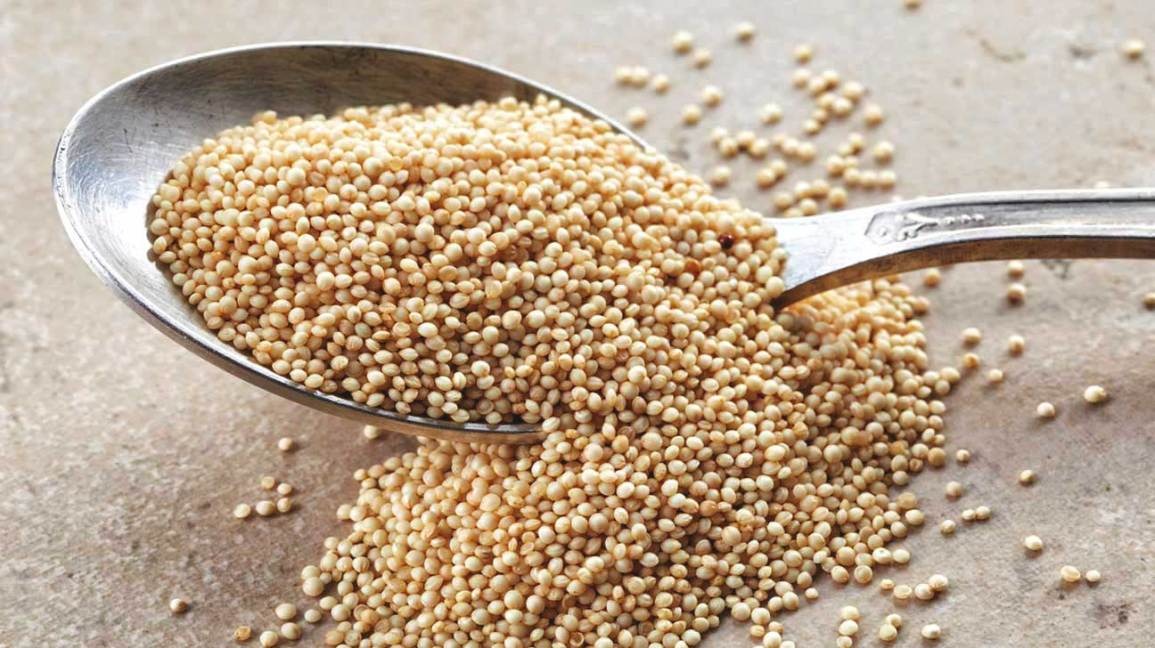
In recent years, amaranth has gained popularity among health enthusiasts and foodies alike. This ancient grain, once a staple food of the Aztecs, has resurfaced as a powerhouse ingredient for modern kitchens. Packed with protein, fiber, and a host of other nutrients, amaranth is a versatile and delicious addition to an
Stay in the loop
Get the latest articles delivered to your inbox. No spam, unsubscribe anytime.
Effective Strategies for Managing Allergies: Enhancing Your Daily Life
Living with allergies can be challenging, but with the right strategies, you can minimize symptoms and improve your quality of life. Allergies affect millions of people worldwide, causing symptoms that range from mild discomfort to severe reactions. Whether you're dealing with seasonal allergies, food allergies, or env
Continue Reading