The Forgotten History of Physical Education: How Ancient Civilizations Shaped Modern Exercise
When we think of physical education and exercise, we often picture modern gyms, workout routines, and fitness influencers. However, the roots of physical exercise go back thousands of years, deeply intertwined with the history and education of ancient civilizations. Understanding this history not only enriches our appr
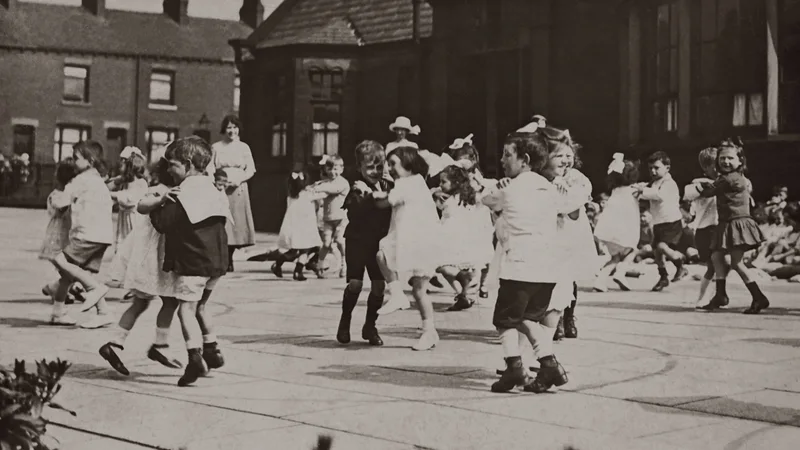
When we think of physical education and exercise, we often picture modern gyms, workout routines, and fitness influencers. However, the roots of physical exercise go back thousands of years, deeply intertwined with the history and education of ancient civilizations. Understanding this history not only enriches our appreciation for modern fitness practices but also highlights the enduring importance of physical activity in human culture.

Ancient Greece: The Birthplace of Organized Physical Education
The ancient Greeks are often credited with formalizing physical education. The Greeks believed in the concept of a "sound mind in a sound body" and integrated physical exercise into their educational systems. Gymnasiums were not only places for athletic training but also for intellectual discussions and learning. The Olympic Games, which began in 776 BCE, exemplify the Greeks' dedication to physical prowess and competitive sports.
Source: "Ancient Greek Athletics" by Stephen G. Miller
Roman Empire: Military Training and Public Health
The Romans inherited many aspects of Greek physical education but adapted them to suit their own needs. Physical training in Rome was heavily focused on preparing soldiers for combat. Public baths and gymnasiums were common in Roman cities, providing spaces for citizens to exercise, socialize, and maintain their health. The Roman emphasis on physical fitness was both a civic duty and a necessity for maintaining their vast empire.
Source: "Roman Exercise: An Ancient Tradition" by Tom Holland
Ancient China: Martial Arts and Holistic Health
In ancient China, physical education was deeply connected to martial arts and holistic health practices. Systems like Kung Fu and Tai Chi were developed not only as methods of self-defense but also as ways to improve physical health, mental discipline, and spiritual well-being. The emphasis on harmony and balance in Chinese culture extended to their approach to physical exercise.
Source: "Chinese Martial Arts: From Antiquity to the Twenty-First Century" by Peter A. Lorge
India: Yoga and Physical Enlightenment
Yoga, which originated in ancient India, is one of the oldest physical and spiritual practices in the world. Early yogic practices were developed to prepare the body for prolonged meditation and to achieve higher states of consciousness. The physical postures (asanas) of yoga are designed to promote flexibility, strength, and inner peace. Today, yoga is practiced worldwide and is recognized for its profound physical and mental health benefits.
Source: "The Heart of Yoga: Developing a Personal Practice" by T.K.V. Desikachar
Middle Ages to Renaissance: Decline and Revival of Physical Education
During the Middle Ages, physical education experienced a decline in Europe due to the rise of religious asceticism, which often viewed physical pursuits as sinful. However, the Renaissance brought a revival of interest in the human body and physical education. Renaissance thinkers and educators emphasized the importance of physical training for overall well-being and intellectual development.
Source: "The Renaissance Body: From Physical Culture to Physical Education" by Michael J. Serazio
Modern Era: The Evolution of Physical Education
The modern era has seen the professionalization and widespread institutionalization of physical education. Schools and universities now have dedicated physical education programs, and there is a greater understanding of the health benefits of regular exercise. Modern fitness movements, from aerobics in the 1980s to today's high-intensity interval training (HIIT), continue to evolve, drawing on the rich history of physical education.
Source: "History of Physical Education and Sport" by David Kirk
Conclusion
The history of physical education is a testament to the enduring importance of exercise in human society. From the ancient Greeks to modern fitness enthusiasts, the principles of physical education have evolved but remain fundamentally linked to health, discipline, and societal well-being. By understanding the historical context, we can better appreciate the role of physical activity in our lives and continue to promote a culture of health and fitness.
More from Exercise

Every year, on Teacher's Day, we take a moment to honor the educators who have shaped our minds, nurtured our growth, and inspired us to reach new heights. This special day is dedicated to the unsung heroes who work tirelessly, often behind the scenes, to build a better future for all of us. But how did Teacher's Day c

Choosing the right educational path can be a daunting task, especially with the vast range of options available today. From traditional four-year degrees to vocational training, online courses, and apprenticeships, the choices are plentiful. To make an informed decision, it’s crucial to align your educational path with

In today’s fast-paced world, maintaining focus and efficiency can be challenging. Whether you're a student, professional, or entrepreneur, distractions are everywhere. One highly effective method to combat this is the Pomodoro Technique. This time management strategy has gained immense popularity for its simplicity and
Stay in the loop
Get the latest articles delivered to your inbox. No spam, unsubscribe anytime.
The Ultimate Guide to Supine Spinal Twist (Supta Matsyendrasana):
In the world of yoga, certain poses stand out for their versatility and effectiveness in promoting overall well-being. The Supine Spinal Twist, or Supta Matsyendrasana, is one such pose. This gentle twist offers a plethora of benefits, from improving spinal mobility to aiding digestion. Whether you're a seasoned yogi o
Continue Reading