The Best Exfoliation Techniques for Smoother Skin
Achieving smooth, radiant skin is a common beauty goal, and exfoliation plays a vital role in this process. Proper exfoliation can remove dead skin cells, unclog pores, and enhance your skin's natural glow. But with so many exfoliation techniques available, how do you know which one is best for you? In this comprehensi
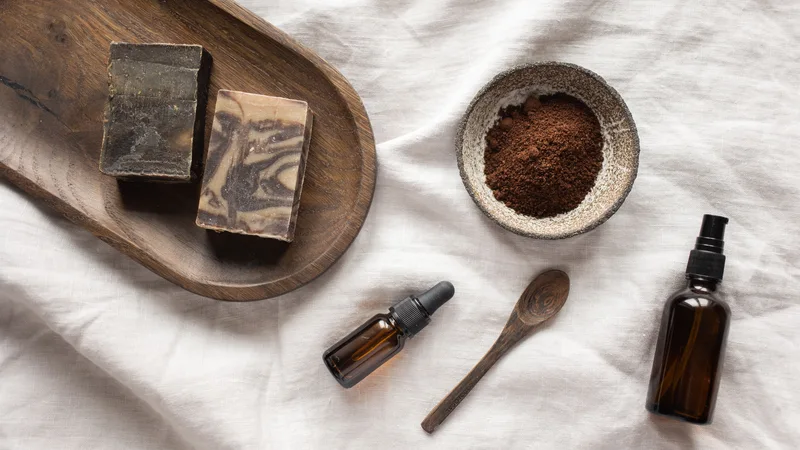
Achieving smooth, radiant skin is a common beauty goal, and exfoliation plays a vital role in this process. Proper exfoliation can remove dead skin cells, unclog pores, and enhance your skin's natural glow. But with so many exfoliation techniques available, how do you know which one is best for you? In this comprehensive guide, we’ll explore the top exfoliation methods for smoother skin, helping you choose the best option for your skin type and needs.
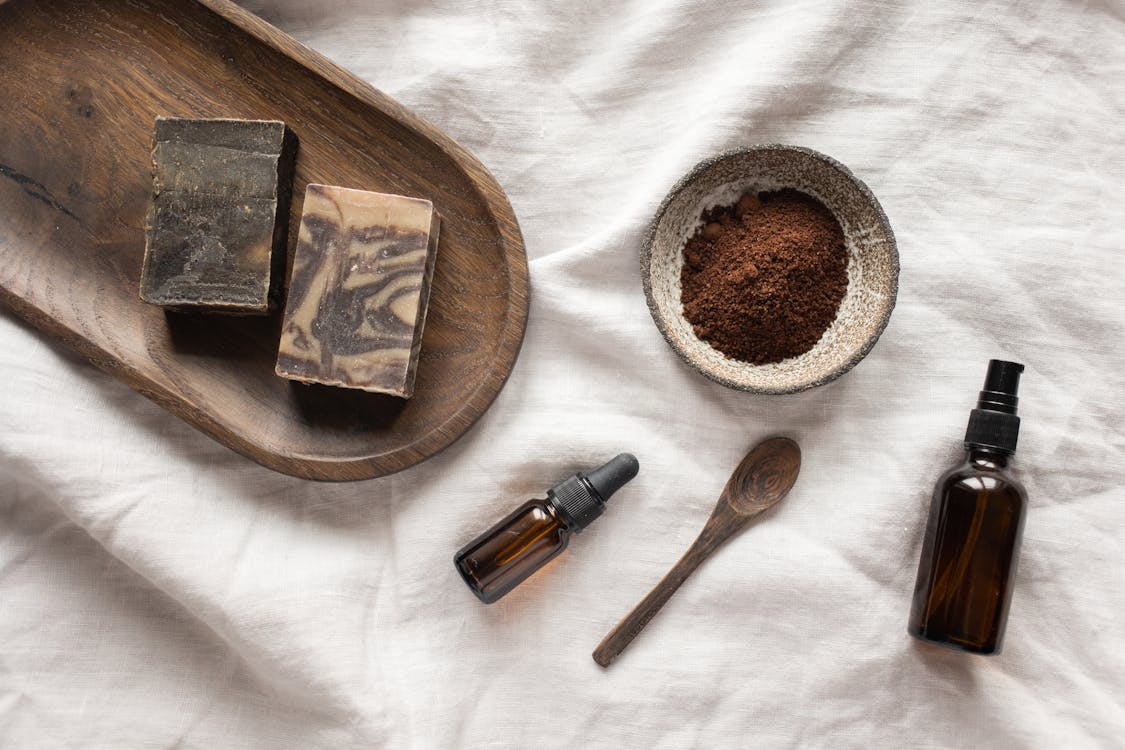
Understanding Exfoliation
Exfoliation is the process of removing dead skin cells from the surface of your skin. This can be achieved through physical, chemical, or enzymatic methods. Regular exfoliation helps prevent clogged pores, reduces the appearance of fine lines and wrinkles, and promotes even skin tone. However, it’s important to choose the right technique to avoid irritation and over-exfoliation.
Physical Exfoliation
1. Scrubs
Scrubs are one of the most common physical exfoliants. They contain small, gritty particles that manually slough off dead skin cells when massaged onto the skin. Popular ingredients include sugar, salt, and ground nuts.
Pros: Immediate results, easy to use, widely available.
Cons: Can be harsh on sensitive skin, risk of microtears if overused.
2. Brushes and Sponges
Exfoliating brushes and sponges, such as facial brushes and konjac sponges, provide a gentle way to physically exfoliate your skin. These tools can be used with your favorite cleanser to enhance your exfoliation routine.
Pros: Gentle on the skin, reusable, can improve blood circulation.
Cons: Requires regular cleaning to prevent bacteria buildup, may not be suitable for very sensitive skin.
Chemical Exfoliation
3. Alpha Hydroxy Acids (AHAs)
AHAs, like glycolic acid and lactic acid, are water-soluble acids that work by dissolving the bonds between dead skin cells. They are ideal for dry or sun-damaged skin and help improve skin texture and tone.
Pros: Effective for most skin types, helps with hyperpigmentation, promotes collagen production.
Cons: Can cause sensitivity to sunlight, may cause irritation if used too frequently.
4. Beta Hydroxy Acids (BHAs)
Salicylic acid is the most common BHA, which is oil-soluble and penetrates deep into pores to remove excess oil and dead skin cells. BHAs are especially beneficial for acne-prone and oily skin types.
Pros: Effective for treating acne, reduces inflammation, unclogs pores.
Cons: Can be drying, may cause irritation for sensitive skin.
Enzymatic Exfoliation
5. Enzyme Peels
Enzyme peels use natural enzymes from fruits like papaya, pineapple, and pumpkin to gently dissolve dead skin cells. These exfoliants are suitable for sensitive skin and provide a mild exfoliation.
Pros: Gentle on the skin, suitable for sensitive skin, natural ingredients.
Cons: Results may be less dramatic than chemical exfoliants, may take longer to see results.
Tips for Effective Exfoliation
- Know Your Skin Type: Choose an exfoliation method that suits your skin type. For example, oily skin may benefit from BHAs, while dry skin might respond better to AHAs.
- Patch Test: Always perform a patch test when trying a new exfoliant to check for any adverse reactions.
- Frequency: Avoid over-exfoliating. Most skin types benefit from exfoliating 2-3 times a week. Sensitive skin might only need it once a week.
- Hydrate: Follow up with a good moisturizer to keep your skin hydrated and maintain its barrier function.
- Sun Protection: Exfoliation can make your skin more sensitive to the sun. Always apply sunscreen after exfoliating.
Conclusion
Exfoliation is a key step in achieving smoother, brighter skin. By understanding the different techniques and choosing the right one for your skin type, you can enhance your skincare routine and enjoy a more radiant complexion. Whether you prefer physical, chemical, or enzymatic exfoliants, consistency and care are essential to reaping the benefits of exfoliation without causing harm to your skin.
Remember, healthy skin is beautiful skin, and with the right exfoliation techniques, you can enjoy a glowing, smooth complexion every day
More from Skincare
Maintaining smooth, radiant skin is a goal shared by many, and one of the most effective ways to achieve this is through exfoliation. This process, which involves removing dead skin cells from the surface of the skin, can significantly improve your skin’s texture and overall appearance. However, exfoliation needs to be

Pregnancy is a time of profound change, and your skin reflects this incredible journey. The hormonal shifts, emotional highs, and physical transformations can lead to various skin challenges. Whether you're facing the glow of pregnancy or dealing with some common skin issues, maintaining a good skincare routine is esse

Sun exposure is a double-edged sword. While soaking up some rays provides essential vitamin D, prolonged exposure can damage your skin, leading to issues like sunburn, premature aging, and even skin cancer. Learning how to repair and rejuvenate your skin after sun exposure is crucial for maintaining a healthy, radiant
Stay in the loop
Get the latest articles delivered to your inbox. No spam, unsubscribe anytime.
The Benefits of Facial Massage: Techniques and Tools for Glowing Skin
In the quest for healthy, glowing skin, facial massages have become a popular and effective method. Not only do they offer a relaxing experience, but they also provide numerous skincare benefits. This article delves into the advantages of facial massages, explores various techniques, and highlights the best tools to en
Continue Reading