The Benefits of Organic Food: Is It Worth the Cost?
In recent years, the popularity of organic food has soared as consumers become more health-conscious and environmentally aware. But with higher price tags compared to conventional options, many people wonder if organic food is truly worth the cost. Let's explore the benefits of organic food and determine if it's a wise

In recent years, the popularity of organic food has soared as consumers become more health-conscious and environmentally aware. But with higher price tags compared to conventional options, many people wonder if organic food is truly worth the cost. Let's explore the benefits of organic food and determine if it's a wise investment for your health and the planet.
What is Organic Food?
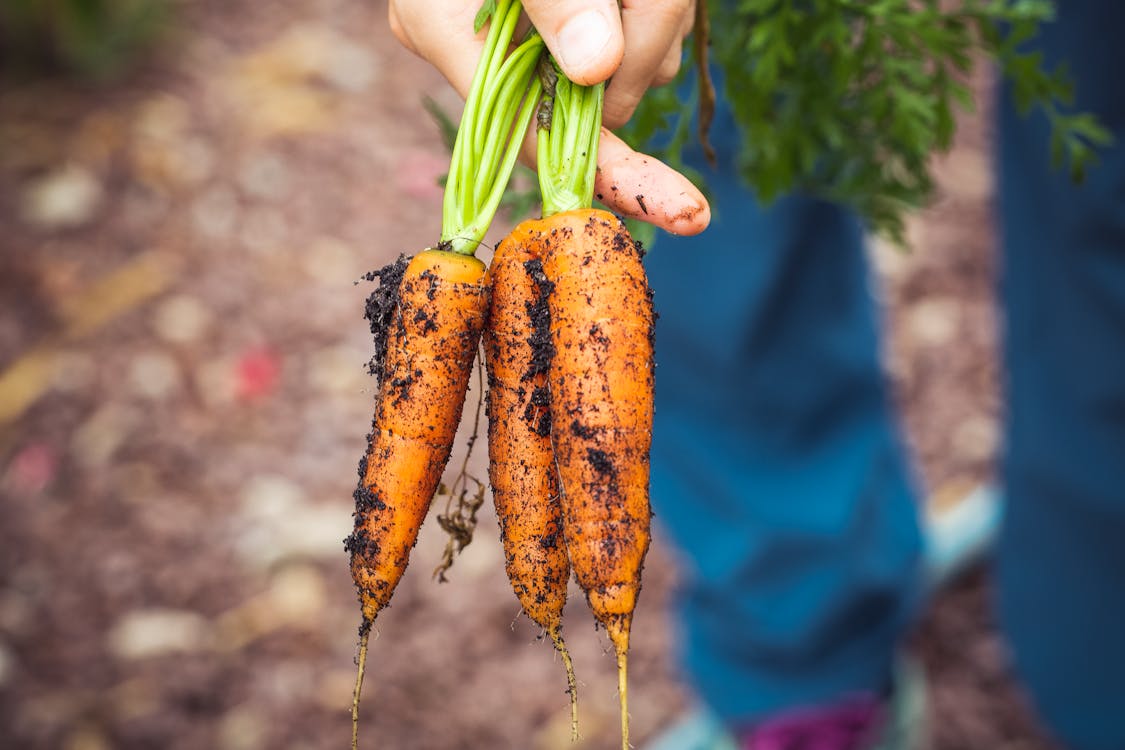
Organic food is grown and processed without synthetic chemicals, fertilizers, genetically modified organisms (GMOs), or irradiation. Organic farming practices emphasize the use of natural substances and processes, fostering a more sustainable agricultural system.
Health Benefits of Organic Food
- Fewer Pesticides and Chemicals Organic farming restricts the use of synthetic pesticides and herbicides, reducing the chemical residue on food. Consuming organic produce can decrease your exposure to these potentially harmful substances, which have been linked to various health issues.
- Higher Nutritional Value Studies suggest that organic foods often have higher levels of essential nutrients, including antioxidants, vitamins, and minerals. These nutrients are vital for maintaining good health, preventing chronic diseases, and supporting overall well-being.
- No GMOs Organic regulations prohibit the use of genetically modified organisms. While the long-term effects of GMOs on human health are still debated, many people prefer to avoid them as a precaution.
- Better Taste Many consumers claim that organic food tastes better than conventionally grown produce. The natural growing methods and the absence of synthetic chemicals might contribute to the richer flavors of organic fruits and vegetables.
Environmental Benefits of Organic Farming
- Soil Health Organic farming practices, such as crop rotation, composting, and reduced tillage, enhance soil health and fertility. Healthy soil is crucial for sustainable agriculture as it supports plant growth and reduces erosion.
- Biodiversity Organic farms tend to support greater biodiversity. By avoiding synthetic chemicals, these farms create a safer environment for wildlife, including beneficial insects, birds, and other animals. This biodiversity is essential for ecosystem stability and resilience.
- Reduced Pollution Organic farming reduces the runoff of harmful chemicals into water sources, decreasing pollution and protecting aquatic life. Cleaner water benefits not only the environment but also human health, particularly in communities reliant on local water supplies.
- Lower Carbon Footprint Organic farming often results in lower greenhouse gas emissions compared to conventional farming. Sustainable practices such as using organic fertilizers, reducing fossil fuel use, and enhancing soil carbon sequestration help mitigate climate change.
Economic and Social Benefits
- Supporting Local Farmers Purchasing organic food often means supporting local and small-scale farmers. This helps to sustain rural economies and promotes fair trade practices.
- Promoting Animal Welfare Organic farming standards include higher animal welfare practices. Animals on organic farms have more space, better living conditions, and access to the outdoors, leading to healthier and more humane treatment.
- Encouraging Sustainable Practices By choosing organic products, consumers send a message to the market, encouraging more sustainable farming practices and greater investment in organic agriculture.
Is Organic Food Worth the Cost?
While organic food typically costs more due to the labor-intensive farming methods and certification processes, many believe the benefits justify the price. The health advantages, environmental sustainability, and support for ethical farming practices present a compelling case for choosing organic.
However, if budget constraints are a concern, prioritizing certain organic purchases can still make a significant impact. Foods like strawberries, spinach, apples, and tomatoes are known to have higher pesticide residues, so opting for organic versions of these items might be especially beneficial.
Conclusion
Deciding whether organic food is worth the cost depends on individual values and priorities. If health, environmental sustainability, and ethical considerations are important to you, investing in organic food can be a rewarding choice. By making informed decisions and prioritizing certain organic products, you can enjoy the benefits of organic food without breaking the bank.
Ultimately, whether or not you choose to go organic, being mindful of where your food comes from and how it's produced can lead to healthier eating habits and a more sustainable lifestyle.
More from Health

Ever feel like there's just not enough time in the day to get everything done? You're not alone! In today’s fast-paced world, finding ways to maximize productivity is more important than ever. The good news is that by making small, intentional lifestyle changes, you can significantly boost your efficiency without burni
Eating organic food has become more than just a trend—it's a conscious lifestyle choice aimed at promoting better health and environmental sustainability. However, many people believe that going organic is too expensive. Fortunately, with some smart strategies, it’s possible to eat organically without breaking the bank
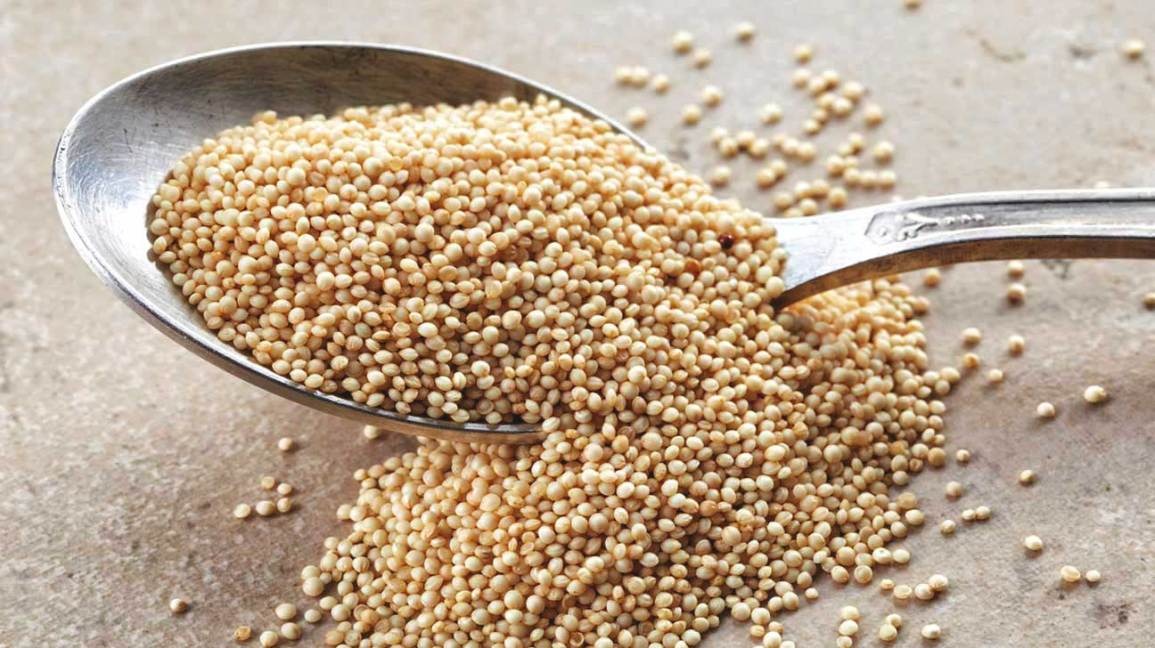
In recent years, amaranth has gained popularity among health enthusiasts and foodies alike. This ancient grain, once a staple food of the Aztecs, has resurfaced as a powerhouse ingredient for modern kitchens. Packed with protein, fiber, and a host of other nutrients, amaranth is a versatile and delicious addition to an
Stay in the loop
Get the latest articles delivered to your inbox. No spam, unsubscribe anytime.
What is the DASH Diet? Everything You Need to Know
In the world of healthy eating plans, the DASH diet stands out for its emphasis on heart health. But what exactly is the DASH diet, and why is it so highly recommended by nutrition experts? In this comprehensive guide, we'll explore the ins and outs of the DASH diet, its benefits, and how you can incorporate it into yo
Continue Reading