Stress Management: Nurturing Physical and Mental Well-being Amid Life's Challenges
In today's fast-paced world, stress has become an inevitable part of life, impacting both our physical and mental health. From demanding work schedules to personal obligations, various factors contribute to our stress levels. However, understanding the profound effects of stress on our well-being empowers us to a

In today's fast-paced world, stress has become an inevitable part of life, impacting both our physical and mental health. From demanding work schedules to personal obligations, various factors contribute to our stress levels. However, understanding the profound effects of stress on our well-being empowers us to adopt effective strategies for stress management. Let's explore the intricate relationship between stress, physical health, mental well-being, and practical techniques to navigate life's challenges with resilience.
1. Understanding the Impact of Stress on Physical Health:

Stress triggers a cascade of physiological responses in the body, affecting various organ systems. Prolonged stress can elevate blood pressure, increase heart rate, and contribute to the development of cardiovascular diseases. Moreover, chronic stress weakens the immune system, making individuals more susceptible to infections and illnesses. Digestive issues, muscle tension, and headaches are also common manifestations of stress. Prioritizing physical activity, adequate sleep, and nutrition can bolster the body's resilience against stress-induced health concerns.
2. Exploring the Link Between Stress and Mental Well-being:

The effects of stress extend beyond the physical realm, profoundly impacting mental health. Chronic stress is associated with an increased risk of anxiety disorders, depression, and burnout. It disrupts neurotransmitter balance in the brain, affecting mood regulation and cognitive function. Persistent stress can also impair concentration, memory, and decision-making abilities, hindering overall productivity and quality of life. Cultivating mindfulness, seeking social support, and engaging in relaxation techniques like meditation and deep breathing exercises can promote mental clarity and emotional resilience.
3. Strategies for Effective Stress Management:

Managing stress effectively requires a multifaceted approach that addresses both physical and mental aspects of well-being. Firstly, identifying stress triggers and implementing healthy coping mechanisms is crucial. This may include prioritizing time for self-care activities, setting realistic goals, and practicing assertive communication to manage workload and interpersonal conflicts. Additionally, incorporating stress-reducing activities into daily routines, such as yoga, journaling, and spending time in nature, fosters a sense of calmness and rejuvenation. Seeking professional support from therapists or counselors can also provide valuable insights and strategies for coping with stressors.
Conclusion: Stress is an inevitable part of life, but it doesn't have to dictate our well-being. By recognizing the impact of stress on both physical and mental health and adopting proactive strategies for stress management, we can navigate life's challenges with resilience and vitality. Prioritizing self-care, fostering supportive relationships, and embracing relaxation techniques empower us to thrive amidst life's inevitable stressors. Let's embrace a holistic approach to well-being, nurturing our physical and mental health with compassion and resilience.
More from Health

Ever feel like there's just not enough time in the day to get everything done? You're not alone! In today’s fast-paced world, finding ways to maximize productivity is more important than ever. The good news is that by making small, intentional lifestyle changes, you can significantly boost your efficiency without burni

Eating organic food has become more than just a trend—it's a conscious lifestyle choice aimed at promoting better health and environmental sustainability. However, many people believe that going organic is too expensive. Fortunately, with some smart strategies, it’s possible to eat organically without breaking the bank
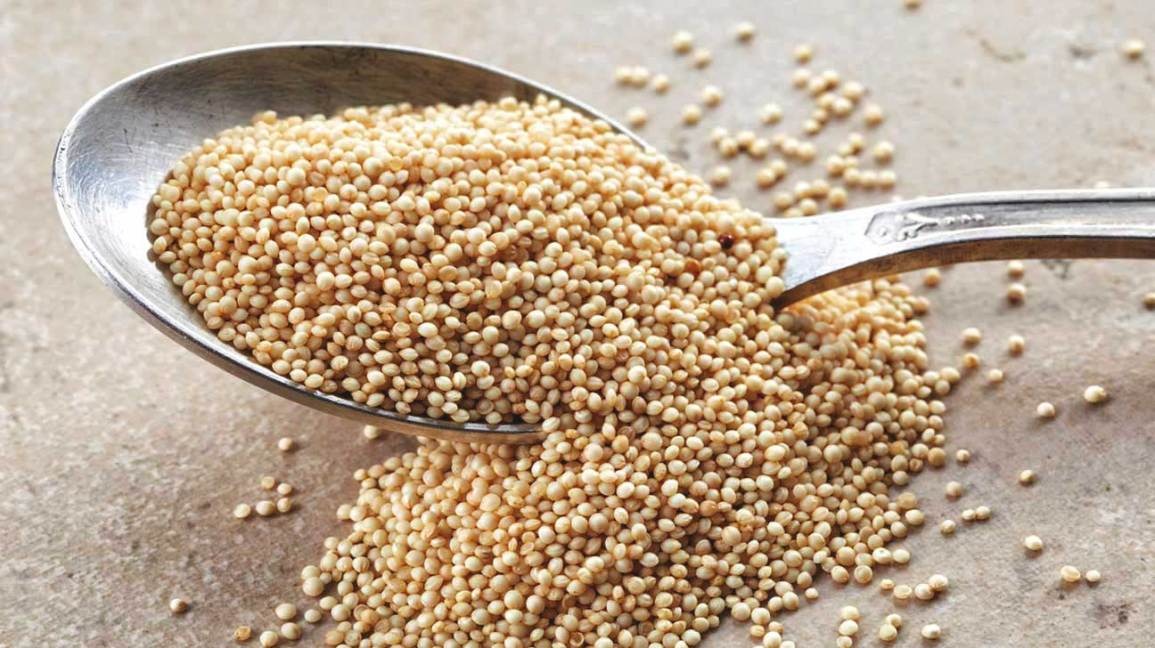
In recent years, amaranth has gained popularity among health enthusiasts and foodies alike. This ancient grain, once a staple food of the Aztecs, has resurfaced as a powerhouse ingredient for modern kitchens. Packed with protein, fiber, and a host of other nutrients, amaranth is a versatile and delicious addition to an
Stay in the loop
Get the latest articles delivered to your inbox. No spam, unsubscribe anytime.
Embracing Compassion: The Vital Role of Service and Charity in Religious Life
At the core of many religious teachings lies the principle of service and charity, emphasizing the importance of compassion, kindness, and social justice. From feeding the hungry to caring for the sick, acts of service and charity are not only integral to religious traditions but also essential expressions of fai
Continue Reading