Health Tips for Better Hydration: How Much Water Do You Really Need?
Staying hydrated is essential for maintaining overall health and well-being. Yet, the question remains: How much water do you really need? Understanding the importance of hydration, recognizing the signs of dehydration, and knowing how to properly hydrate can make a significant difference in your daily life.Why Hydrati

Staying hydrated is essential for maintaining overall health and well-being. Yet, the question remains: How much water do you really need? Understanding the importance of hydration, recognizing the signs of dehydration, and knowing how to properly hydrate can make a significant difference in your daily life.

Why Hydration Matters
Water plays a crucial role in nearly every bodily function. It helps regulate body temperature, transport nutrients, and remove waste. Proper hydration can improve energy levels, support digestion, and even enhance cognitive function. Conversely, dehydration can lead to fatigue, headaches, and other health issues.
Read this to know more about hydration and how it benefits the skin.
Recommended Daily Water Intake
The often-cited "8x8" rule—drinking eight 8-ounce glasses of water a day—serves as a general guideline, but individual needs can vary. The National Academies of Sciences, Engineering, and Medicine recommends a daily water intake of about 3.7 liters (125 ounces) for men and 2.7 liters (91 ounces) for women, including fluids from all beverages and food.
Factors Influencing Hydration Needs
Several factors influence how much water you need:
Physical Activity: If you exercise or engage in activities that make you sweat, you'll need to drink more water to compensate for fluid loss.
Environment: Hot or humid weather can increase your need for fluids. Similarly, heated indoor air can lead to moisture loss during winter.
Health Conditions: Certain illnesses and health conditions, such as fever, vomiting, or diarrhea, can increase water requirements.
Diet: High-salt or high-protein diets can increase your body's need for water. Also, consuming more fruits and vegetables with high water content can contribute to your hydration.
Signs of Dehydration
It's crucial to recognize the signs of dehydration to address them promptly. Symptoms include:
Thirst
Dry mouth
Dark yellow urine
Fatigue
Dizziness
Confusion
If you experience these symptoms, it’s essential to increase your water intake immediately.
Tips for Better Hydration
Here are some practical tips to help you stay properly hydrated:
Carry a Water Bottle: Having a reusable water bottle with you encourages regular sips throughout the day.
Set Reminders: Use phone apps or alarms to remind you to drink water regularly.
Infuse Your Water: Adding a splash of flavor with fruits, herbs, or a squeeze of lemon can make drinking water more enjoyable.
Eat Hydrating Foods: Incorporate foods like cucumbers, oranges, and watermelon into your diet to boost hydration.
Start and End Your Day with Water: Drinking a glass of water first thing in the morning and before bed can help maintain hydration levels.
Conclusion
Proper hydration is key to maintaining your health and well-being. By understanding your body's needs and adopting habits that promote regular water intake, you can ensure you're getting enough fluids each day. Remember, while general guidelines provide a starting point, listening to your body is the best way to determine your unique hydration needs.
More from Health

Ever feel like there's just not enough time in the day to get everything done? You're not alone! In today’s fast-paced world, finding ways to maximize productivity is more important than ever. The good news is that by making small, intentional lifestyle changes, you can significantly boost your efficiency without burni
Eating organic food has become more than just a trend—it's a conscious lifestyle choice aimed at promoting better health and environmental sustainability. However, many people believe that going organic is too expensive. Fortunately, with some smart strategies, it’s possible to eat organically without breaking the bank
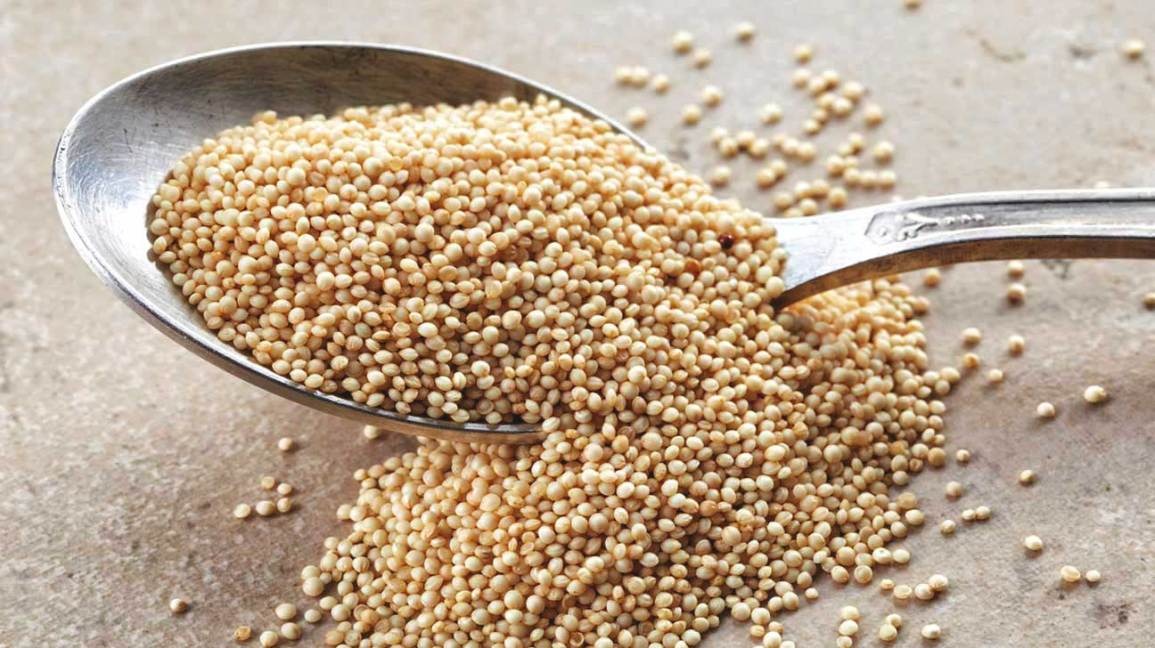
In recent years, amaranth has gained popularity among health enthusiasts and foodies alike. This ancient grain, once a staple food of the Aztecs, has resurfaced as a powerhouse ingredient for modern kitchens. Packed with protein, fiber, and a host of other nutrients, amaranth is a versatile and delicious addition to an
Stay in the loop
Get the latest articles delivered to your inbox. No spam, unsubscribe anytime.
Hindu Astrology: An Introduction to Vedic Astrology and Its Significance
Hindu astrology, also known as Vedic astrology or Jyotish, is an ancient practice deeply rooted in the spiritual traditions of India. It has been used for millennia to guide individuals in understanding their life paths, predicting future events, and making informed decisions. In this article, we'll explore the fundame
Continue Reading