Health Tips for a Stronger Heart; Improve Cardiovascular Health
Maintaining a healthy heart is crucial for overall well-being. Cardiovascular health impacts everything from energy levels to longevity. By making small, sustainable changes in your daily routine, you can significantly enhance your heart health. In this article, we'll explore practical and effective health tips for a s

Maintaining a healthy heart is crucial for overall well-being. Cardiovascular health impacts everything from energy levels to longevity. By making small, sustainable changes in your daily routine, you can significantly enhance your heart health. In this article, we'll explore practical and effective health tips for a stronger heart.

The Importance of Cardiovascular Health
Cardiovascular diseases (CVD) are among the leading causes of death globally. However, many of these conditions are preventable through lifestyle changes. Improving cardiovascular health not only reduces the risk of heart disease but also boosts overall health and quality of life.
1. Eat a Heart-Healthy Diet
Focus on Whole Foods
A diet rich in whole foods, such as fruits, vegetables, whole grains, and lean proteins, provides essential nutrients that support heart health. Incorporate a variety of colors and types to ensure a balanced intake of vitamins, minerals, and antioxidants.
Limit Saturated and Trans Fats
Reducing the consumption of saturated and trans fats can lower cholesterol levels and decrease the risk of heart disease. Opt for healthier fats found in olive oil, avocados, nuts, and fatty fish like salmon.
Reduce Sodium Intake
Excessive sodium can lead to high blood pressure, a major risk factor for cardiovascular disease. Aim to consume less than 2,300 milligrams of sodium per day, and be mindful of hidden salts in processed and packaged foods.
2. Stay Physically Active
Engage in Regular Exercise
Regular physical activity strengthens the heart muscle, improves blood circulation, and helps maintain a healthy weight. Aim for at least 150 minutes of moderate-intensity aerobic exercise or 75 minutes of vigorous-intensity exercise per week.
Include Strength Training
Incorporate strength training exercises at least twice a week. Building muscle can help reduce body fat, improve metabolism, and support overall cardiovascular health.
3. Maintain a Healthy Weight
Monitor Your BMI
Keeping your body mass index (BMI) within a healthy range reduces the strain on your heart. Consult with a healthcare provider to determine your ideal weight and create a plan to achieve and maintain it.
Adopt Healthy Eating Habits
Avoid crash diets and focus on long-term, sustainable eating habits. Portion control, balanced meals, and mindful eating can help you achieve and maintain a healthy weight.
4. Quit Smoking and Limit Alcohol
Say No to Tobacco
Smoking is a major risk factor for heart disease. Quitting smoking can significantly improve your cardiovascular health, regardless of how long you have smoked. Seek support through smoking cessation programs if needed.
Drink Alcohol in Moderation
If you drink alcohol, do so in moderation. For men, this means up to two drinks per day, and for women, up to one drink per day. Excessive alcohol consumption can lead to high blood pressure and other heart-related issues.
5. Manage Stress Effectively
Practice Relaxation Techniques
Chronic stress can negatively impact your heart health. Incorporate relaxation techniques such as deep breathing, meditation, yoga, or tai chi into your daily routine to manage stress levels.
Stay Connected
Maintaining strong social connections can help reduce stress and improve overall well-being. Make time for friends and family, and engage in activities that bring you joy.
6. Regular Health Screenings
Monitor Blood Pressure and Cholesterol
Regular check-ups with your healthcare provider can help detect and manage risk factors such as high blood pressure and high cholesterol. Early intervention is key to preventing heart disease.
Keep an Eye on Blood Sugar Levels
High blood sugar can damage blood vessels and increase the risk of heart disease. Regularly monitoring your blood sugar levels, especially if you have diabetes or are at risk, is crucial for maintaining heart health.
Conclusion
Improving cardiovascular health doesn't require drastic changes. By incorporating these simple tips into your daily routine, you can significantly enhance your heart health and overall well-being. Remember, consistency is key. Start with small steps and gradually build up to a heart-healthy lifestyle.
More from Health

Ever feel like there's just not enough time in the day to get everything done? You're not alone! In today’s fast-paced world, finding ways to maximize productivity is more important than ever. The good news is that by making small, intentional lifestyle changes, you can significantly boost your efficiency without burni

Eating organic food has become more than just a trend—it's a conscious lifestyle choice aimed at promoting better health and environmental sustainability. However, many people believe that going organic is too expensive. Fortunately, with some smart strategies, it’s possible to eat organically without breaking the bank
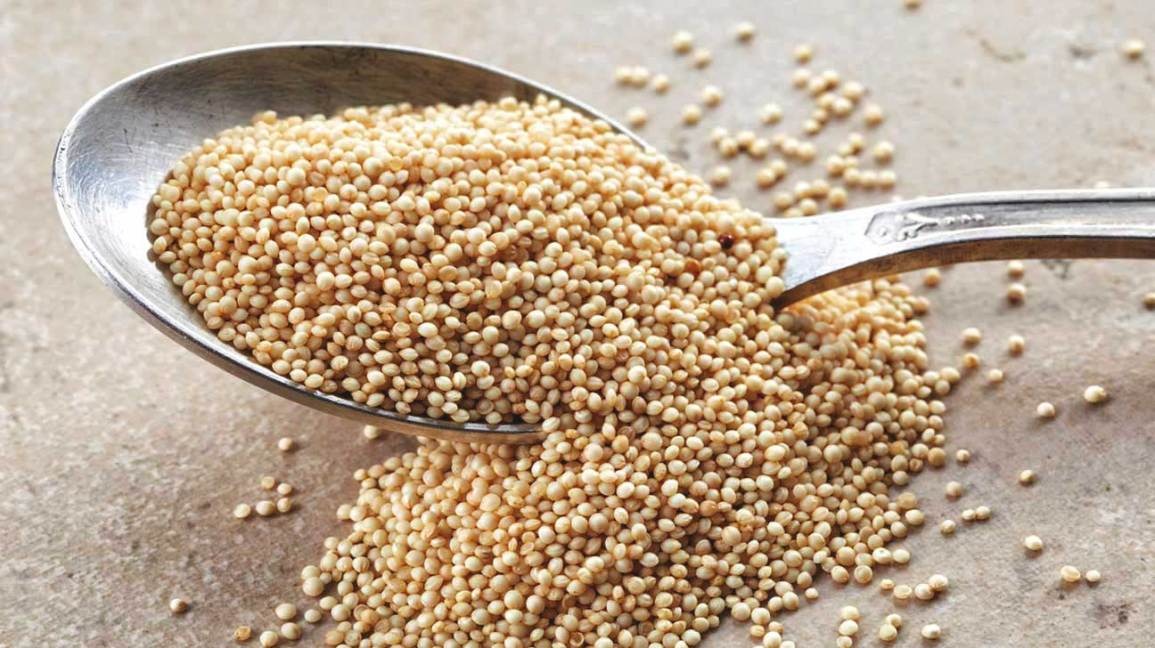
In recent years, amaranth has gained popularity among health enthusiasts and foodies alike. This ancient grain, once a staple food of the Aztecs, has resurfaced as a powerhouse ingredient for modern kitchens. Packed with protein, fiber, and a host of other nutrients, amaranth is a versatile and delicious addition to an
Stay in the loop
Get the latest articles delivered to your inbox. No spam, unsubscribe anytime.
The Importance of Self-Care in Daily Life
In today's fast-paced world, it's easy to get caught up in the hustle and bustle of daily responsibilities. However, amidst the chaos, it's crucial to prioritize self-care. Taking time for self-care isn't just a luxury; it's a necessity for maintaining overall well-being. In this blog, we'll explore the importance of s
Continue Reading