"Harnessing the Power of Antioxidants: Your Guide to Health Protection"
In today's health-conscious world, the buzz around antioxidants has reached a fever pitch—and for good reason. Antioxidants are essential compounds that play a crucial role in protecting your body from the damaging effects of oxidative stress. But what exactly are antioxidants, and how do they safeguard your health? Th
In today's health-conscious world, the buzz around antioxidants has reached a fever pitch—and for good reason. Antioxidants are essential compounds that play a crucial role in protecting your body from the damaging effects of oxidative stress. But what exactly are antioxidants, and how do they safeguard your health? This article delves into the science behind antioxidants, their benefits, and how you can incorporate them into your daily routine to enhance your well-being.
What Are Antioxidants?
Antioxidants are molecules that neutralize free radicals—unstable atoms that can damage cells, leading to inflammation, aging, and chronic diseases. Free radicals are produced naturally in the body during processes like metabolism, but external factors like pollution, smoking, and unhealthy diets can increase their presence.
How Do Antioxidants Protect Your Health?
Free radicals are like tiny villains that roam your body, causing oxidative stress. This stress can lead to cellular damage, which contributes to various health issues, including heart disease, cancer, and neurodegenerative disorders like Alzheimer’s. Antioxidants act as the heroes in this scenario, neutralizing free radicals and preventing the damage they cause.
1. Reducing Inflammation
Chronic inflammation is a key driver of many serious diseases. Antioxidants, particularly those found in fruits and vegetables, help reduce inflammation by combating oxidative stress.
2. Supporting Heart Health
Antioxidants like flavonoids, found in dark chocolate and berries, have been shown to improve heart health by reducing blood pressure and improving blood vessel function.
3. Boosting Immune Function
Antioxidants such as vitamins C and E are known to enhance immune function. They help protect cells from damage and support the body’s ability to fight off infections.
4. Slowing the Aging Process
Oxidative stress accelerates the aging process, contributing to wrinkles, skin damage, and a decline in cognitive function. Antioxidants help slow down these effects, promoting healthier, younger-looking skin and better brain health.
Top Sources of Antioxidants
Incorporating antioxidant-rich foods into your diet is a simple and effective way to protect your health. Here are some of the best sources:
1. Berries
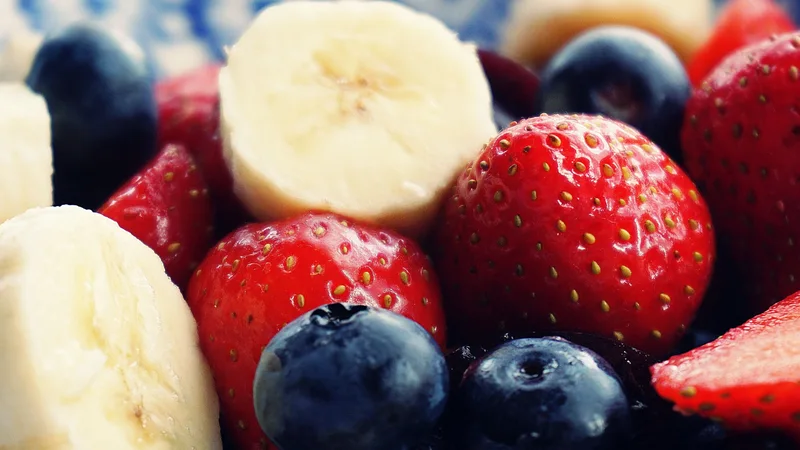
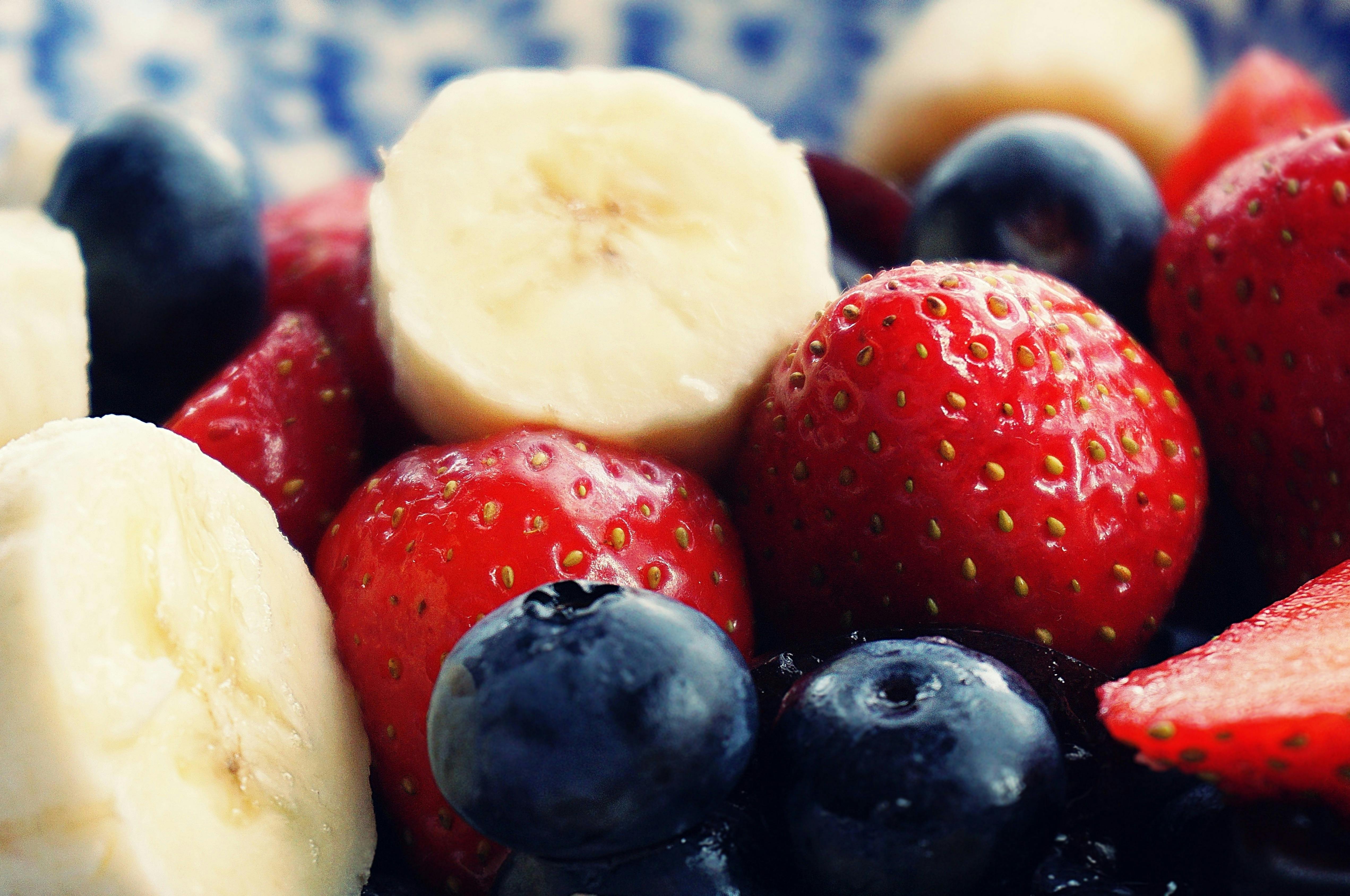
Blueberries, strawberries, and raspberries are packed with antioxidants, particularly anthocyanins, which have been linked to improved heart health and reduced cancer risk.
2. Nuts and Seeds
Almonds, walnuts, and sunflower seeds are rich in vitamin E, a powerful antioxidant that protects cell membranes from damage.
3. Leafy Greens
Spinach, kale, and broccoli are loaded with vitamins A and C, both of which are essential antioxidants that help protect against cellular damage.
4. Dark Chocolate
High-quality dark chocolate is rich in flavonoids, which have been shown to improve heart health by reducing blood pressure and cholesterol levels.
5. Green Tea
Green tea is an excellent source of catechins, antioxidants that have been shown to reduce the risk of heart disease and certain types of cancer.
How to Maximize Antioxidant Intake
While it’s important to consume antioxidant-rich foods, there are also strategies to maximize their benefits:
1. Eat a Rainbow of Foods
Different colored fruits and vegetables contain different types of antioxidants, so aim to eat a variety of colors to get the full spectrum of benefits.
2. Opt for Whole Foods
Processed foods are often stripped of their natural antioxidants. Choose whole, unprocessed foods to ensure you're getting the most nutrients possible.
3. Incorporate Antioxidants into Every Meal
Include antioxidant-rich foods in each meal. Add berries to your breakfast, a salad with leafy greens for lunch, and a side of steamed vegetables for dinner.
4. Limit Exposure to Free Radicals
Reduce your exposure to free radicals by avoiding smoking, limiting alcohol consumption, and staying away from heavily polluted areas when possible.
Conclusion
Antioxidants are a powerful tool in the fight against oxidative stress and its associated health risks. By understanding their role and incorporating antioxidant-rich foods into your diet, you can protect your health and enhance your overall well-being. Remember, the key is balance—focusing on a diverse, nutrient-rich diet that supports your body’s natural defenses.
Sources:
- National Institutes of Health (NIH). "Antioxidants: In Depth." NIH.
- Harvard T.H. Chan School of Public Health. "The Nutrition Source: Antioxidants." Harvard Health.
More from Health
Eating organic food has become more than just a trend—it's a conscious lifestyle choice aimed at promoting better health and environmental sustainability. However, many people believe that going organic is too expensive. Fortunately, with some smart strategies, it’s possible to eat organically without breaking the bank

Whether you're an athlete, a fitness enthusiast, or someone who just had an intense workout, muscle soreness can be an inevitable companion. Instead of reaching for over-the-counter painkillers, consider trying natural remedies that can ease muscle pain and promote faster recovery. Let's explore some of the best home r
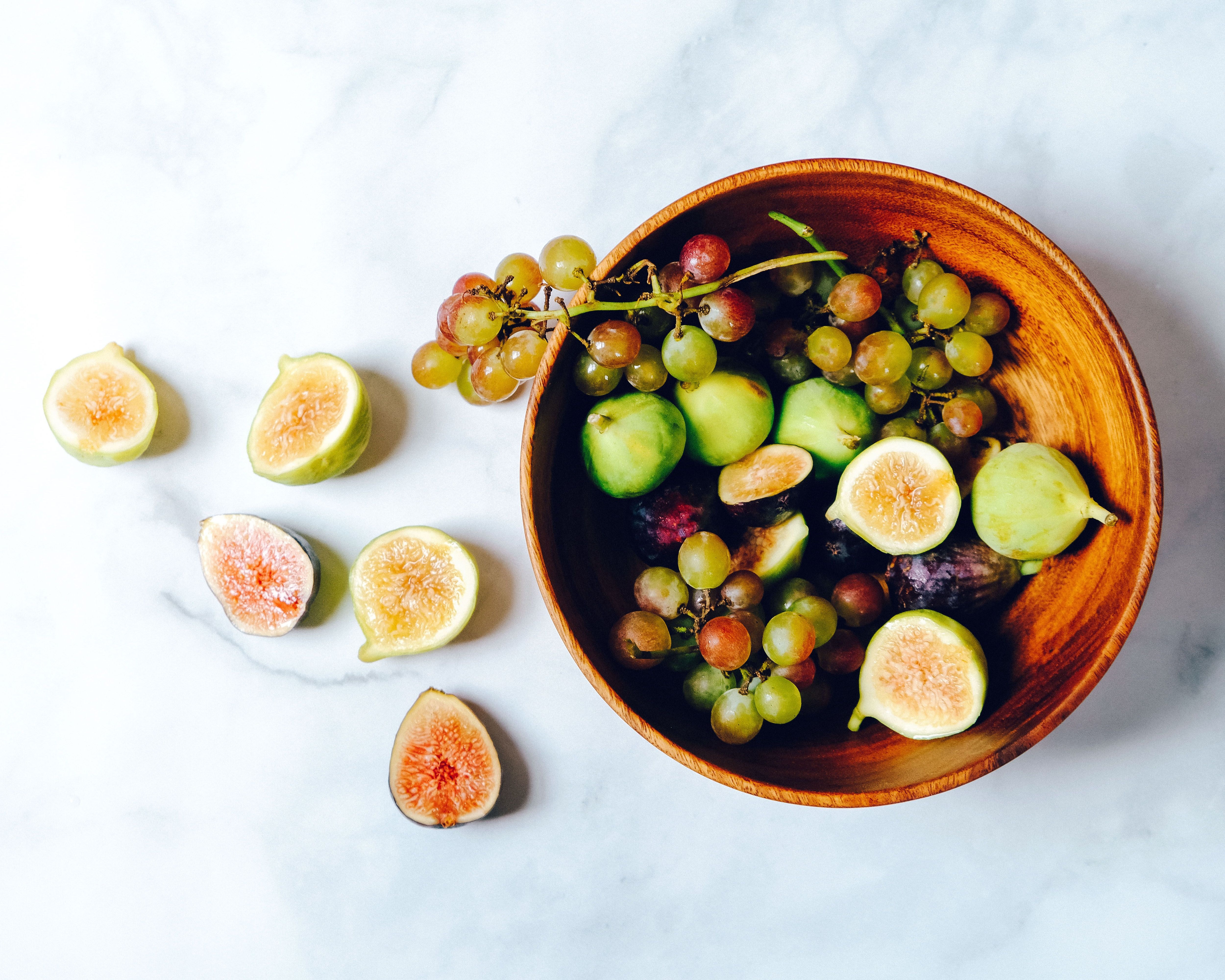
Good nutrition is the cornerstone of a healthy lifestyle. Whether you're aiming for weight management, increased energy levels, or overall wellness, the foods you consume play a vital role in achieving these goals. Understanding the role of nutrition in maintaining good health can help you make informed choices and cul
Stay in the loop
Get the latest articles delivered to your inbox. No spam, unsubscribe anytime.
Embracing Minimalism: How Simplifying Your Life Can Lead to Greater Fulfillment
In a world filled with distractions and an ever-growing to-do list, many people are discovering that less truly can be more. Minimalism isn’t just a trend; it’s a lifestyle choice that prioritizes simplicity, intentional living, and focusing on what truly matters. If you’re feeling overwhelmed by clutter—both physical
Continue Reading