Exploring the Role of Biodiversity in Sustainable Development: Lessons from Nature
Biodiversity, the variety of life on Earth, is essential for maintaining the balance of our ecosystems. As we face escalating environmental challenges, understanding the role of biodiversity in sustainable development becomes crucial. This article explores the interconnectedness of biodiversity and sustainable developm
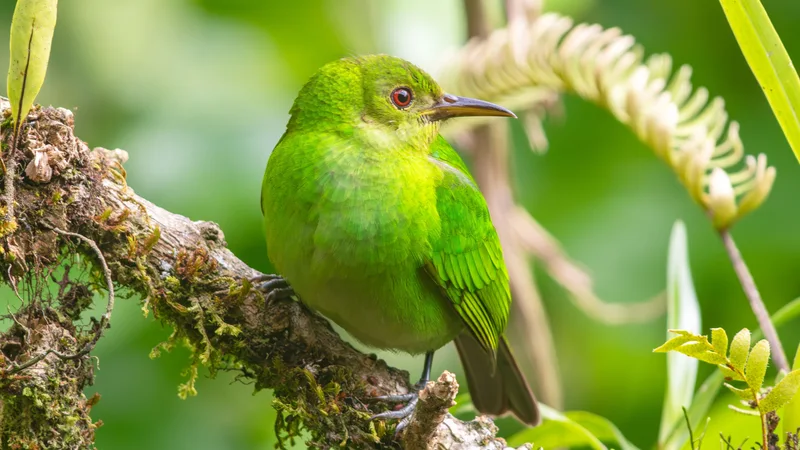
Biodiversity, the variety of life on Earth, is essential for maintaining the balance of our ecosystems. As we face escalating environmental challenges, understanding the role of biodiversity in sustainable development becomes crucial. This article explores the interconnectedness of biodiversity and sustainable development, offering insights and lessons from nature that can guide us towards a more sustainable future.
What is Biodiversity?
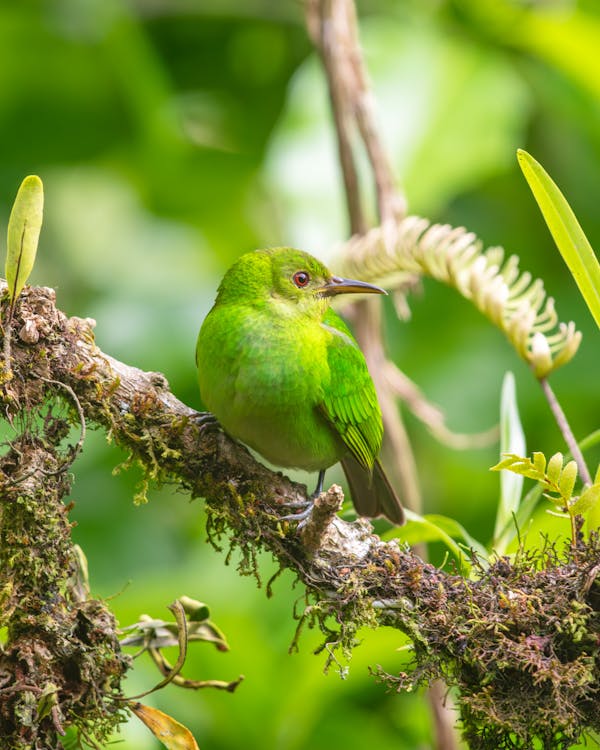
Biodiversity encompasses the diversity of species, genetic variation, and ecosystems. It includes everything from the tiniest microorganisms to the largest mammals, all contributing to the intricate web of life. This diversity is not just a source of beauty and wonder but a fundamental pillar that supports life on Earth.
The Importance of Biodiversity in Sustainable Development
1. Ecosystem Services
Biodiversity underpins ecosystem services, which are the benefits that humans derive from nature. These services include:
Provisioning Services: Such as food, fresh water, wood, fiber, and medicinal resources.
Regulating Services: Including climate regulation, disease control, water purification, and pollination.
Cultural Services: Encompassing recreational, spiritual, and educational benefits.
Supporting Services: Such as nutrient cycling, soil formation, and photosynthesis.
These services are vital for human survival and well-being, illustrating how deeply our lives are intertwined with the natural world.
2. Resilience to Environmental Changes

Biodiversity enhances the resilience of ecosystems, allowing them to recover from disturbances such as natural disasters and human activities. Diverse ecosystems are better equipped to withstand and adapt to changes, ensuring the stability and sustainability of the environment.
3. Economic Benefits
Biodiversity is a cornerstone of many economies, particularly in sectors like agriculture, fisheries, and tourism. Sustainable use of biological resources can drive economic growth while ensuring that these resources are available for future generations.
Lessons from Nature
1. Interconnectedness and Balance
Nature teaches us the importance of interconnectedness and balance. In ecosystems, every species plays a specific role, and the loss of one species can disrupt the entire system. This lesson underscores the need for holistic approaches in sustainable development, considering the impacts on all parts of the ecosystem.
2. Adaptation and Evolution
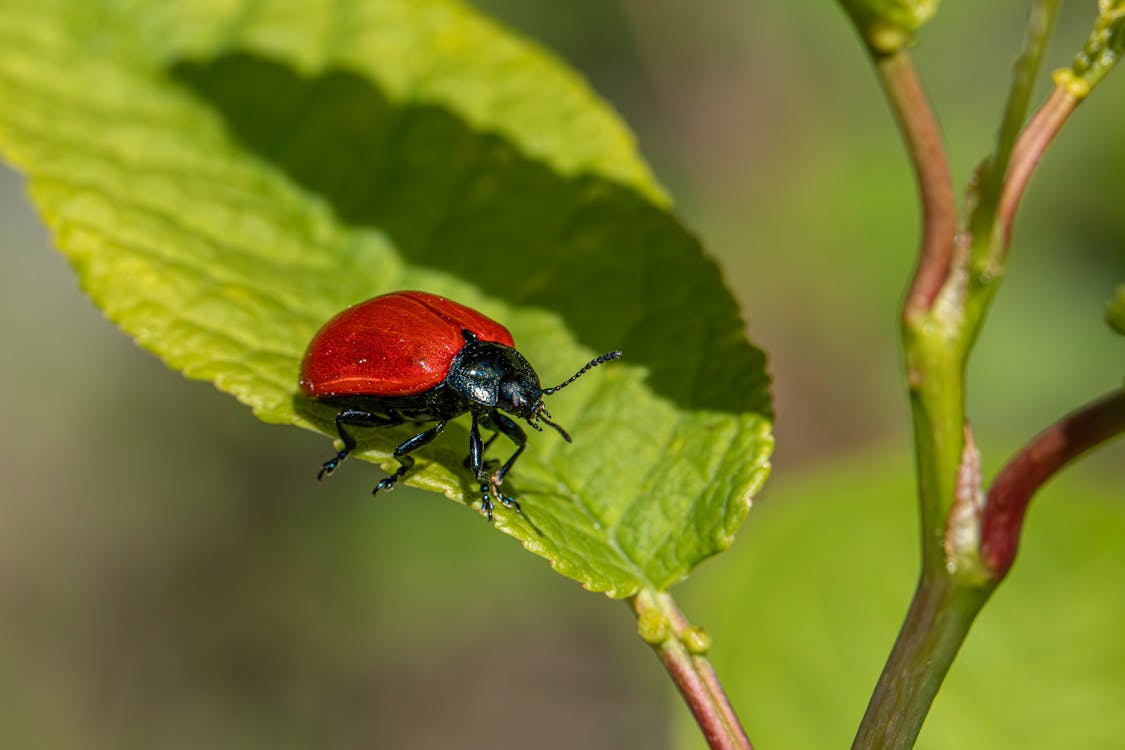
Biodiversity showcases the power of adaptation and evolution. Species evolve over time to adapt to their changing environments. Similarly, sustainable development requires adaptive strategies that can evolve with shifting environmental and societal conditions.
3. Sustainable Resource Use
Nature exemplifies the concept of sustainable resource use. Predators, for instance, hunt in ways that do not deplete their prey populations. This balance ensures the longevity of resources. Human practices can mirror this principle by adopting sustainable consumption and production patterns.
Strategies to Preserve Biodiversity for Sustainable Development
1. Conservation Efforts
Implementing conservation efforts such as protected areas, wildlife reserves, and biodiversity hotspots is essential. These areas safeguard critical habitats and species, maintaining the ecological balance.
2. Sustainable Agriculture and Fisheries
Promoting sustainable agriculture and fisheries helps preserve biodiversity. Practices like crop rotation, organic farming, and sustainable fishing methods ensure that food production does not harm the environment.
3. Restoration Projects

Ecosystem restoration projects aim to rehabilitate degraded environments. Reforestation, wetland restoration, and coral reef rehabilitation are examples of initiatives that can restore biodiversity and ecosystem health.
4. Policies and Legislation
Strong policies and legislation are crucial for biodiversity conservation. Governments and organizations must enforce laws that protect endangered species, regulate resource use, and prevent habitat destruction.
5. Community Involvement
Engaging local communities in biodiversity conservation ensures that efforts are sustainable and culturally appropriate. Community-based conservation projects can leverage indigenous knowledge and foster a sense of stewardship.
Conclusion

Biodiversity is integral to sustainable development, providing essential ecosystem services, enhancing resilience, and driving economic benefits. By learning from nature, we can develop strategies that promote sustainability and protect our planet's rich biological heritage. Embracing the lessons from nature not only helps preserve biodiversity but also paves the way for a sustainable and thriving future for all.
More from Nature

Ever feel like there's just not enough time in the day to get everything done? You're not alone! In today’s fast-paced world, finding ways to maximize productivity is more important than ever. The good news is that by making small, intentional lifestyle changes, you can significantly boost your efficiency without burni

Philosophy has long been intertwined with social and political thought, shaping societies and influencing governance throughout history. From the ancient Greeks to contemporary thinkers, philosophical ideas have contributed significantly to understanding justice, rights, government, and the individual's place in societ

Meditation has been a powerful practice for centuries, providing countless benefits for mental and physical health. However, integrating meditation into a busy daily routine can seem daunting. This guide will show you practical and straightforward methods to make meditation a regular part of your life, enhancing your o
Stay in the loop
Get the latest articles delivered to your inbox. No spam, unsubscribe anytime.
Unlocking the Secrets of Glass Skin: Achieve a Flawless Complexion
In the world of beauty and skincare, the quest for a flawless complexion never ends. One of the latest trends taking the beauty community by storm is the pursuit of "glass skin" – a term used to describe a smooth, clear, and intensely hydrated complexion that looks almost transparent, like glass. But how do you achieve
Continue Reading